If you need help, learn more about our Solar Panel Financing Fraud.
$170,000+ recovery
Against Sunlight Financial · Solar fraud arbitration
- $113,000 loan cancelled
- UCC lien removed
- Credit repaired
- $58,000 cash to client
Past results do not guarantee a similar outcome. Every case is different.
“I just had solar panels installed, and now my gutters are bent, detached, or overflowing when it rains. The installers never said a word… am I stuck fixing this myself?”
No, you are not imagining things.
Yes, this happens to more homeowners than you might think.
Solar panel installation involves heavy equipment, ladders, and crew members working along your roofline. If that work isn’t done carefully, your gutters can pay the price. The worst part? Many contractors downplay the damage or refuse to take responsibility once the job is done.
State contractor boards have reported a steady rise in complaints about property damage during solar installs - and yes, bent or detached gutters are one of the most common issues. If you’re looking at broken hangers, crushed sections, or rainwater spilling over instead of draining away, you’re right to be concerned.
Here’s the truth: some minor wear can happen with any rooftop project - but major damage, especially when caused by unsafe work practices, may be negligence. And in many states, that means the contractor could be legally responsible for repairs.
Let’s learn more about this today.
Direct Answer – Is This Normal or a Red Flag?
- Yes – it can be normal if the damage is light, your gutters were already in poor condition, or it’s a temporary displacement from necessary roof access equipment. Reputable installers will disclose it and repair or credit you immediately.
- No – it’s not normal when gutters are clearly bent, detached, misaligned, leaking, or causing drainage problems - and the crew ignores it or denies responsibility. That’s a red flag for careless installation or breach of contractor obligations.
Minor scuffs or small displacements can occur when solar crews use ladders or scaffolding to reach your roof, especially if your gutters were already aging or loose. Reputable installers will point it out and repair it or offer a credit.
If your gutters were in good shape before installation and now they’re damaged, it’s worth documenting the condition, reviewing your contract, and considering whether you have grounds for a property damage claim. In many cases, legal protections and contractor liability laws are on your side.
Major red flag: Noticeable bending, detachment, leaking corners, or water pooling where the gutter should drain - and no effort from the crew to fix it - is a warning sign of careless installation or outright contractor negligence. Learn more about distinguishing technical issues from fraud.
Legitimate Explanations for Gutter Damage
Before you assume the worst, it’s worth considering a few normal or non-negligent reasons your gutters may have taken a hit during solar panel installation. Some of these situations are unavoidable given the nature of rooftop work - but reputable installers should still tell you about the damage and make it right.
1. Ladder or Scaffolding Contact
Solar crews need roof access, and ladders or scaffolding often rest against your home.
- What happens: Even with padding, the weight of a ladder can press against your gutters, bending or loosening the brackets.
- Best practice: Professional installers use ladder standoffs or protective covers to minimize pressure - but in tight spaces, some contact can still occur.
2. Roof Edge Foot Traffic
Crews working along your roofline may lean tools against or step near gutter areas.
- What happens: A misplaced boot or shifted panel frame can deform gutter sections.
- Note: Proper safety measures and training reduce this risk, but it’s tough to eliminate entirely with large crew installations.
3. Pre‑Existing Wear or Weak Anchors
If your gutters were already loose, rusted, or pulling away before installation, the work might simply expose existing weaknesses.
- Example: An installer leans a ladder against a gutter, and a bracket that was already corroded gives way.
- Tip: Always let the crew know about aging gutters before work starts - and photograph them beforehand.
4. Removal of Gutter Guards or Accessories
Some installs require temporary removal of gutter guards, downspout extenders, or roof edge flashing.
- What happens: If these aren’t reinstalled properly, gutters may sag, detach, or lose water flow efficiency.
5. Heavy Tools & Materials Nearby
Solar panel racking, panel stacks, and toolboxes are heavy.
- What happens: Even resting a toolbox on a gutter for “just a minute” can cause a bend if the section is older or made of lightweight aluminum.
Bottom line:
- Not all gutter damage after solar installation is proof of intentional neglect.
- Weathered materials, unavoidable contact points, and routine installation practices can play a role.
- However, when the damage is severe, ignored, or worsens your home’s drainage, that’s when the line between “normal wear” and “contractor negligence” gets crossed.
Free consultation
Solar panel contract problems?
We help homeowners fight back against solar fraud. Free consultation.
Common Contractor Missteps Leading to Gutter Damage
If your gutters ended up bent, detached, or leaking after solar panel installation, chances are it wasn’t simply bad luck. Gutter damage during a solar install is almost always preventable if the crew uses proper equipment and follows industry safety standards. Unfortunately, some solar installers take shortcuts or fail to protect your property during the job, and those decisions can turn routine installation work into costly problems for you.
Leaning Ladders Directly on Gutters
One of the most common causes of bent or dented gutters is improper ladder placement. Installers sometimes lean ladders directly against the gutter line to reach the roof. Without ladder standoff arms or padded supports, the full weight of the ladder - and sometimes the installer - rests on thin metal or vinyl gutter sections.
- Gutters aren’t built to be load-bearing. This kind of pressure often bends them outward, cracks the joints, or pulls them away from the fascia board entirely.
- OSHA’s ladder safety rules exist to prevent exactly this scenario, yet not every crew follows them. Even brief contact can leave your gutters permanently damaged.
Using Gutters as a Scaffold or Anchor
Inexperienced or careless crews sometimes use gutters as anchor points for scaffolding or ropes. It’s quick, it’s convenient, and it’s completely wrong.
-
Gutters are designed to carry rainwater away from your home, not hold hundreds of pounds of scaffolding weight or serve as tie-off points for climbing equipment.
-
The extra load can cause them to twist, collapse, or warp beyond repair.
-
Professional solar installers know this practice is unsafe, but untrained or rushed crews still do it - often leaving behind structural damage that you only discover after the job is done.
Dropping or Resting Heavy Tools Against the Gutter
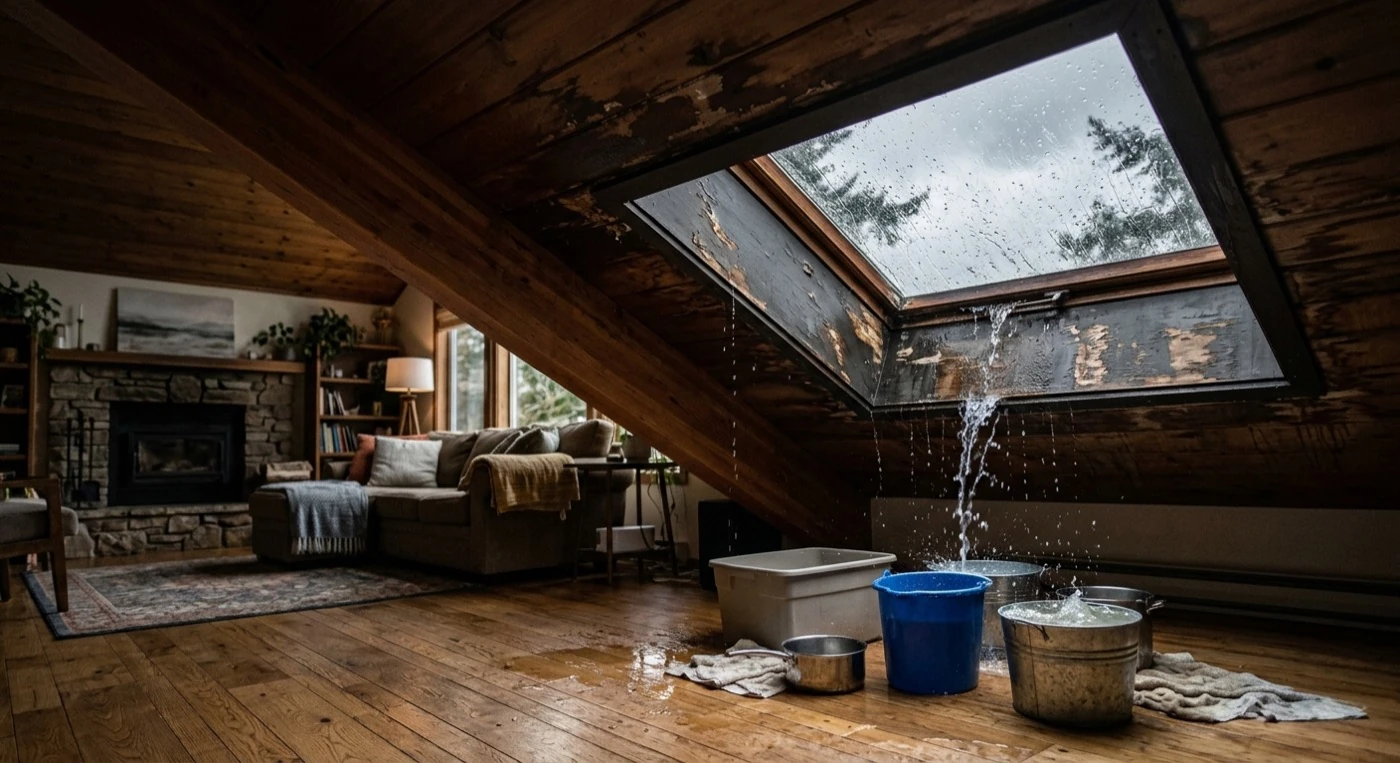
Solar installations require large components and heavy tools, from mounting rails and panels to fully loaded toolboxes. If these items are dropped or even rested momentarily on your gutters, they can create dents, bends, and misalignments that disrupt water flow. Learn more about skylight leaks caused by solar installation.
- This type of damage often happens when crews use the gutter edge as a staging point instead of setting up a proper roof-edge platform or a ground-based work area. Learn more about water pooling around solar panel mounts.
- While the installer might claim it’s “just cosmetic,” even slight warping can lead to drainage problems during the next heavy rain - creating bigger repairs down the road.
Improper Removal of Gutter Guards or Flashing
Before panel mounts can be secured, crews may need to temporarily remove gutter guards, drip edge flashing, or roof-edge trim. The trouble comes when these components are reinstalled carelessly or not at all.
- Missing or misaligned parts weaken the gutter’s support, allowing sections to sag or detach over time.
- These accessories are more than cosmetic - they’re part of your home’s water management system.
- Failing to put them back properly can be considered breach of contract in many states, especially if the damage leads to leaks or water intrusion.
Skipping Pre‑Install Property Documentation
A reputable contractor will document your property’s condition before any work starts, often with date-stamped photos from multiple angles.
- When this step is skipped, it’s easy for an installer to claim “your gutters were already damaged.”
- Without clear before-and-after images, you’re left with your word against theirs, which can make legal or insurance claims more difficult.
- Pre-install documentation protects both you and the contractor - and the absence of this step often signals a lack of professional planning.
Ignoring Post‑Install Inspection
Equally important is a post-install walkaround. This is the moment when a contractor should point out any incidental damage, explain what happened, and offer a plan to repair it.
- When crews skip this step, homeowners are left to discover damage on their own - often weeks later when it rains.
- By then, the installer may deny that their work was responsible, making it much harder to hold them accountable.
- Failing to conduct a post-install inspection and disclosure isn’t just bad customer service; in some states, it can violate contractor licensing standards.
Why This Matters for You:
These missteps - from leaning ladders directly on gutters to ignoring inspections - aren’t just sloppy. They’re often avoidable mistakes that violate basic installation protocols and, in some cases, state contractor laws. Understanding the link between poor practices and your damaged gutters is key to proving negligence, demanding repairs, and recovering any costs you’ve had to pay out of pocket.
5 Common Red Flags: Gutter Damage After Solar Panel Installation
When gutters are damaged after a solar installation, you can often trace what you’re seeing to sloppy or unsafe crew practices. Use these warning signs to understand not just what went wrong, but how it likely happened.
Red Flag #1: Bent or Detached Gutter Sections
After your solar installation, you notice sections of your gutters are bent, sagging, or have pulled completely away from the fascia board. Joints may look separated, and certain runs might no longer connect properly to downspouts. In heavy rain, water may spill over instead of draining the way it should.
Possible Causes:
- Improper ladder placement: Installers leaned ladders directly on the gutter without using standoff arms or padding, putting excessive weight on thin metal or vinyl sections.
- Gutters used as an anchor point: Crews rested scaffolding or ropes on the gutter line, twisting it out of shape.
- Heavy tools resting on the edge: Toolboxes, solar panels, or mounting rails placed against the gutter may have bent it.
- Removal mishandling: Gutter guards or flashing were removed during installation and not reattached correctly, weakening the structure.
Red Flag #2: Water Overflow or Pooling After Rain
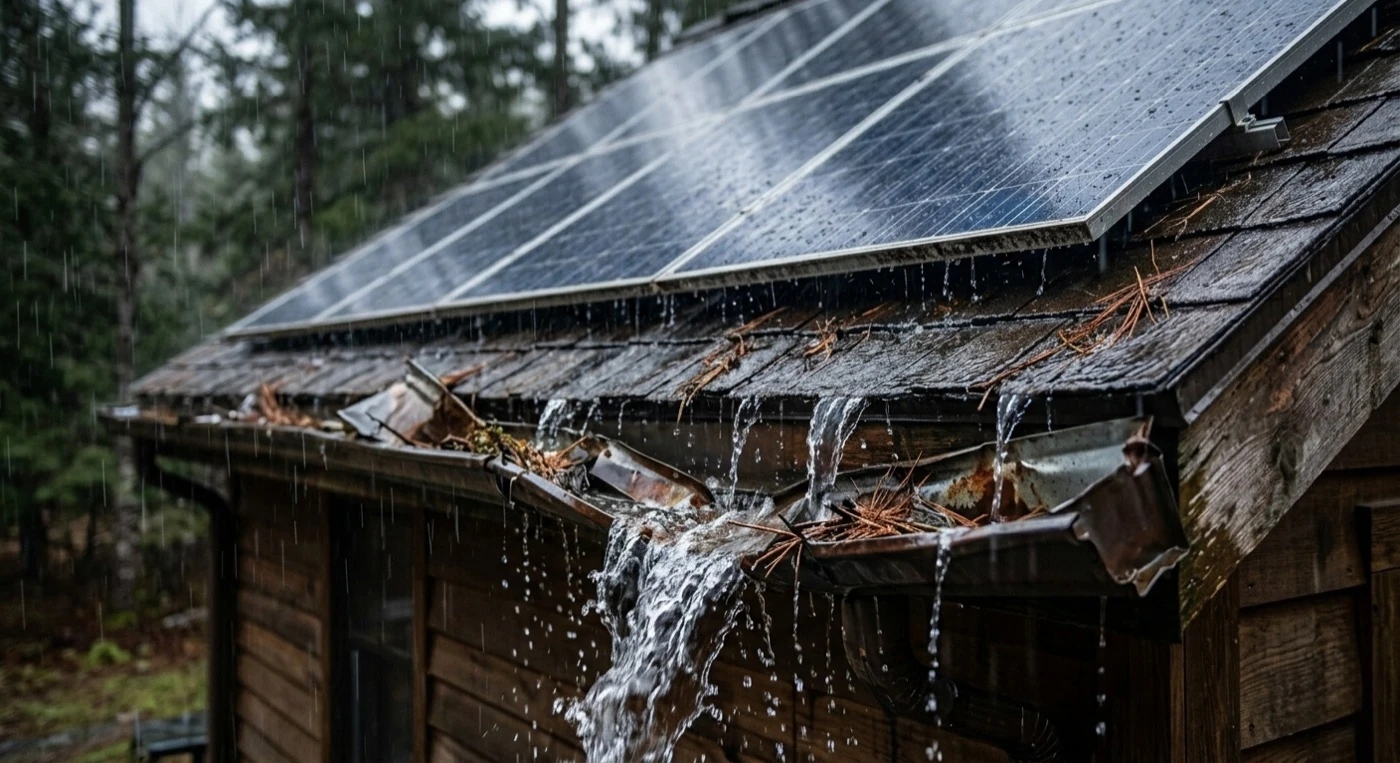
After the solar installation, heavy rain causes water to spill over the edge of your gutters or pool near the foundation instead of draining properly. You might notice streams of water falling directly in front of your home, puddles forming under downspouts, or watermarks along your siding.
Possible Causes:
- Gutter slope was altered when ladders, scaffolding, or heavy tools pressed against the gutter line.
- Debris from installation (roof shingle fragments, packaging) blocked the gutter channel or downspouts.
- Removal or misalignment of drip edge flashing or gutter guards disrupted the water flow.
- Gutters detached slightly from the fascia board, breaking the smooth drainage path.
Red Flag #3: Gutter Sagging or Pulling Away from the House
Entire sections of gutter hang lower than they should or have visibly pulled away from the fascia board. You may notice large gaps between the gutter and roof’s edge where water could escape.
Possible Causes:
- Excessive ladder pressure against mounting brackets loosened the connections.
- Removal of flashing or drip edge without proper reattachment weakened the gutter’s structural support.
- Using gutters to anchor scaffolding caused screws or nails to loosen from fascia wood.
Red Flag #4: Gutters Used as a Load-Bearing Point
You notice marks, dents, or distortions exactly where ladders, ropes, or scaffolding would have been placed during installation. Some sections may look “flattened” along the top lip or warped in shape.
Possible Causes:
- Installer ignored safety guidelines and used gutters as anchor points for ladders or scaffolding.
- Lack of ladder standoff arms or proper anchoring equipment led to direct pressure.
- Crew tied harness ropes to gutter brackets.
Red Flag #5: No Acknowledgment or Repair Offer From the Installer
The contractor leaves without mentioning the damage. When you contact them, they claim it’s normal or refuse to fix it.
Possible Causes:
- Installer hopes homeowner won’t notice until it’s too late to complain.
- Business avoids liability by skipping post-install walkaround.
- Contract lacks a damage repair clause.
Action Steps if You Suspect Gutter Damage is Contractor Negligence
Once your gutters show visible damage after a solar installation - especially if the signs match the red flags we’ve discussed - it’s time to act quickly. The longer you wait, the harder it is to prove the installer was at fault, and the more likely the damage will create bigger (and more expensive) problems for your home.
1. Document the Damage Immediately
Take clear, date‑stamped photos from multiple angles so the extent of the problem is obvious. Include:
- Close‑ups of bent or distorted sections.
- Wide shots showing where the gutter has pulled away from the roofline.
- Any water overflow during rainfall. A short video during a storm showing water bypassing the gutter can be incredibly persuasive evidence.
2. Collect Pre‑Install Evidence
If you have any “before” photos - even casual ones from last season showing intact gutters - keep them handy for comparison.
If the contractor took pre‑install photos, request copies. Not only do these help establish condition, but they also stop contractors from claiming “it was already like that.”
3. Review Your Contract
Look for any clauses about property restoration, repair of incidental damage, or workmanship standards. Even if nothing is written, state law often imposes these obligations automatically. Highlight any terms that support your right to repairs or reimbursement.
4. Notify the Contractor in Writing
Email them immediately with a clear description of the damage and attach your proof.
Follow with a certified letter so you have a documented paper trail. Include:
- A description of what you found.
- Photos or video.
- Specific request for repair or reimbursement. Set a response deadline - usually within 7–14 days.
5. Request Their Insurance Information
Professional installers carry general liability insurance. If they ignore or refuse your request for repairs, you can file a claim directly with their insurer.
Ask for their policy number and insurer contact details in your written correspondence.
6. Get an Independent Inspection
Hire a licensed gutter repair professional or home inspector to assess:
- Cause of the damage.
- Whether installation practices likely caused it.
- Estimated cost to fix it. Their written report can be used in insurance claims, state board complaints, or court filings.
7. Escalate if They Ignore You
If you receive no satisfactory response, file a complaint with your state contractor licensing board. Many boards will investigate and compel the contractor to make repairs or face penalties.
You can also report the incident to your state Attorney General’s office under consumer protection laws.
8. Consider a Legal Consultation
An attorney experienced in property damage or contractor negligence can:
- Draft demand letters that carry legal weight.
- File claims for damages and repair costs.
- Seek additional compensation if the harm caused secondary problems (like water intrusion). In many states, if you win, the contractor may be required to cover your legal fees.
Bottom line:
Act fast, keep everything in writing, and gather as much proof as possible. The moment you can connect the damage to specific installation actions, you move from being a frustrated homeowner to a claimant with leverage - and the law and insurance processes are far more likely to work in your favor.
Your Legal Rights & Protections for Gutter Damage Caused by Solar Installers
Discovering gutter damage after a solar installation can be frustrating - and expensive. The good news is that you have rights as a homeowner, and in many cases, the law is on your side. Whether your installer admits fault or not, there are contractual obligations, state contractor rules, and insurance protections designed to make sure you aren’t left footing the bill for someone else’s negligence.
Contractual Rights
Even if your solar contract doesn’t specifically address property damage, most agreements include an implied duty for the contractor to exercise reasonable care when working on your home. This means they must avoid harming existing structures - and fix damage if it happens.
Many states also treat damage during installation as “incidental property damage” covered under basic contractor obligations. If your contract does have a damage repair clause, this gives you even stronger grounds to demand repairs or reimbursement. Check the terms carefully for phrases like “restore to original condition,” “incidental damage,” or “property condition.”
State Contractor Licensing Laws
Licensed contractors are bound by state regulations that often require them to:
- Avoid unsafe work practices.
- Restore any property damage caused during the job.
- Carry liability insurance to cover accidental harm.
Examples:
- California: Contractors must follow safety guidelines and can face license discipline if they fail to repair property damage. The Contractors State License Board can mediate disputes and, in serious cases, revoke licenses.
- Texas: The Deceptive Trade Practices Act can apply if a contractor misrepresents work quality or safety - allowing homeowners to recover damages, sometimes tripled for proven fraud or intentional harm.
- New Jersey: The Consumer Fraud Act protects against negligent or deceptive contractor conduct, with strong remedies including treble damages and attorney fees.
- Florida: The state’s licensing board investigates property damage complaints, and contractors can be compelled to pay for repairs as part of license discipline.
Insurance and Bond Claims
Most licensed solar installers carry general liability insurance - this is designed to cover property damage like bent or detached gutters caused during installation. If the contractor refuses to repair the damage directly, you can request their insurance details and file a claim yourself.
In some states, contractors must also post a surety bond when they obtain a license. Bonds exist to protect homeowners financially if the contractor causes damage, breaches the contract, or fails to comply with laws. Filing a bond claim can be an effective leverage point if the installer ignores you.
Consumer Protection Laws
Beyond contractor licensing, broad consumer protection statutes can also support your case.
- Unfair and Deceptive Practices Laws prohibit misrepresenting services or ignoring damage.
- If a contractor falsely denies responsibility without properly investigating, that may trigger claims under these laws.
- In some states, you can recover not only repair costs but additional damages, attorney fees, and court costs.
Documentation is Your Power
No matter which remedy you pursue, your right to have the damage repaired or reimbursed depends heavily on proof. This is why the steps from the Red Flags section - photos, videos, written notices - are not just helpful, they’re essential. Evidence removes guesswork and forces the contractor’s insurer, state board, or court to take your claim seriously.
Bottom line:
If your solar installer damaged your gutters, you are not powerless. Between your contract, state contractor laws, insurance policies, and consumer protection statutes, there are multiple paths to hold them accountable. Each path starts with documenting what happened, connecting it to the installer’s actions, and formally asserting your rights.
When “Minor Wear” Becomes Major Contractor Negligence
Most homeowners who discover bent or detached gutters after a solar installation didn’t do anything wrong - they let a licensed crew onto their roof, expecting professional care, and instead walked away with structural damage they never agreed to.
At Bennett Legal, we’ve seen this pattern repeat across dozens of cases: Crews lean ladders directly onto gutters, use them as scaffolding anchors, or mishandle gutter guards - all without a word of warning. By the time the first heavy rain hits, water is overflowing onto foundations, fascia boards are rotting, and repair bills are piling up.
That’s where we step in.
Our legal team helps homeowners:
- Investigate the root cause of gutter damage using industry standards, OSHA ladder safety rules, and pre-install condition reports.
- Review contracts and safety logs to determine if your contractor violated obligations or failed to follow accepted practices.
- Demand accountability and recovery - including full repair costs, reimbursement for secondary water damage, and damages under state consumer protection laws.
- Secure insurer payouts or bond claims so repairs happen quickly, without draining your savings.
Many installers dismiss gutter damage as “normal wear” - but if it was caused by unsafe work practices, that’s not routine. It’s negligence. And under contractor law in states like California, Texas, and New Jersey, negligence isn’t just repairable - it’s actionable.
Because when industry shortcuts turn your home’s drainage system into collateral damage, you deserve more than a shrug - you deserve repairs, answers, and full reimbursement before the next storm hits.
Don’t wait for the next rainstorm to make a bad situation worse. Call Bennett Legal today for a free case review - and let us prove the damage wasn’t “just part of the process,” but a repairable, billable mistake your contractor must make right.
Related Reading
Free consultation
Solar panel contract problems?
We help homeowners fight back against solar fraud. Free consultation.