“Your request for solar panel installation has been denied.”
You’re probably wondering — can my HOA really do this?
You’ve done everything right — researched installers, collected quotes, confirmed the system size, and maybe even lined up financing. You submit your plans to your Homeowners Association’s architectural review committee, expecting an easy approval.
Instead, a formal letter lands in your mailbox with words you didn’t think you’d see:
- “Panels cannot be visible from the street.”
- “Your proposed installation location does not conform to community guidelines.”
- “We do not approve of metal framing that contrasts with the roof color.”
That single envelope suddenly throws an expensive wrench into your plans. The installer’s timeline is halted. Your utility rebate deadlines loom.
It’s frustrating.
It’s confusing.
And for many homeowners, it feels outright unfair, especially in states that have solar access laws designed to prevent these roadblocks.
At Bennett Legal, we see homeowners blindsided by HOA solar denials all the time. Some denials follow legal guidelines. Others are just overreach cloaked in “community rules.” Knowing the difference — and understanding your rights — can be the difference between watching your project die and getting your panels on the roof where they belong.
Can My HOA Actually Stop Me From Installing Solar?
In many states, the short answer is no — at least, not completely.
Your Homeowners Association can regulate certain aspects of your installation, but in most jurisdictions with solar access laws or solar rights statutes, they cannot impose outright bans or rules that make your system financially or practically impossible to install.
HOAs are formed to maintain property values and uphold an agreed set of community standards. That agreement is spelled out in your Covenants, Conditions, and Restrictions (CC&Rs) along with additional architectural guidelines. These documents give your HOA the power to approve or deny exterior changes — including solar panels.
But this authority isn’t limitless.
Solar Rights Legislation
If your state has passed solar rights legislation, the HOA’s ability to control panel placement, appearance, or installation methods comes with boundaries. For example, while they might suggest an alternative roof section for “visual harmony,” they cannot require it if that change significantly reduces panel efficiency or adds thousands to your costs.
Think of it this way: the law often draws a line between what’s aesthetic preference and what’s a functional barrier. Your HOA can push for cosmetic adjustments — like all-black frames or hidden wiring — but in many states they can’t demand conditions that cripple your system’s output or make it unaffordable.
Example: In California, state law prevents HOAs from enforcing rules that cut a solar system’s efficiency by more than 10% or increase the cost by more than $1,000 compared to your preferred design. That means a front-facing installation that maximizes sunlight cannot legally be forced onto a shady rear roof simply to satisfy aesthetic uniformity.
This balance — between the HOA’s desire for neighborhood consistency and your right to harness renewable energy — is at the core of most state-level solar laws. Understanding where that balance tips in your favor is the first step toward challenging a wrongful denial.
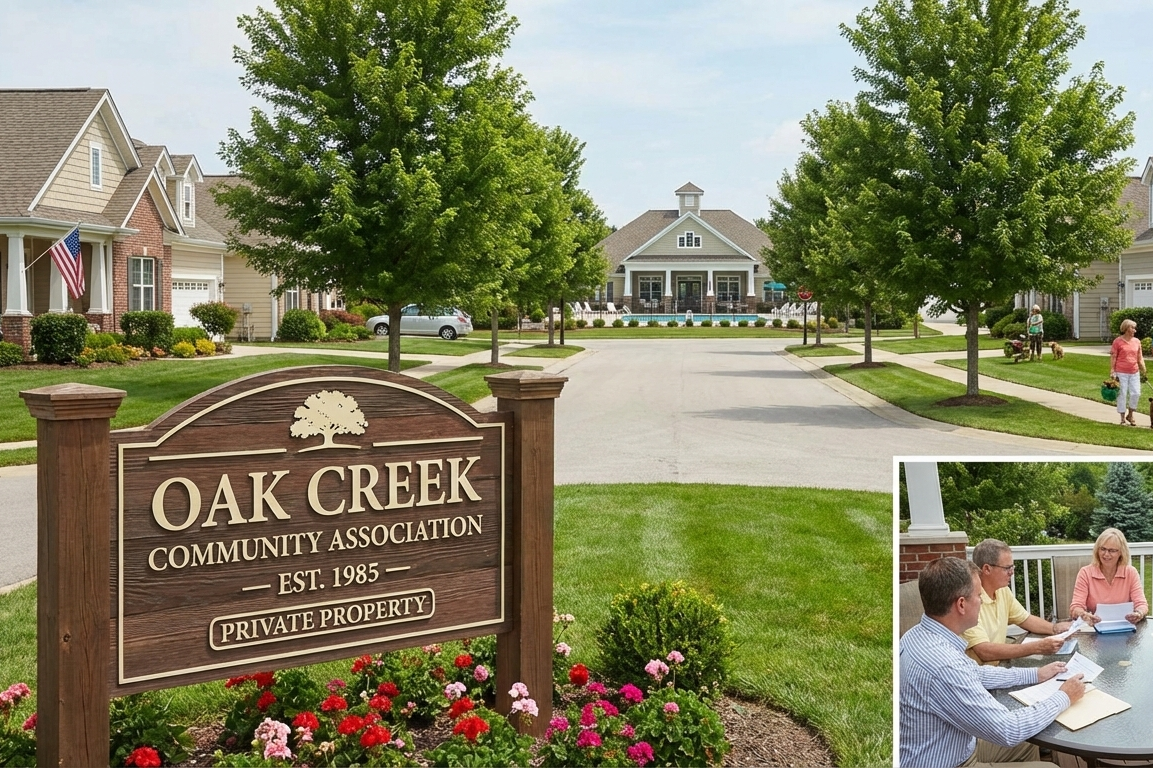
Understanding HOA Solar Panel Rules
Every HOA has its own playbook, and for solar projects, that playbook usually lives in two places:
- The Covenants, Conditions & Restrictions (CC&Rs) — the formal legal document governing the community.
- The Architectural Review Guidelines — the rules the HOA committee uses when evaluating home improvement requests.
If you live in a community governed by an HOA, agreeing to these documents was part of your home purchase. They dictate everything from fence height to paint colors — and, increasingly, solar panel installations.
When it comes to solar, most HOA guidelines include some or all of the following rules:
- Placement Requirements: Panels must be located where they are least visible from the street or common areas, often requiring rear-facing or side roof placement.
- Aesthetic Specifications: Some HOAs insist on certain panel frame colors (black instead of silver), matching backsheet colors, or concealed wiring to maintain visual uniformity.
- Structural Stipulations: Rules about how panels are mounted, the angle of installation, or whether particular racking systems are acceptable.
- Documentation Requirements: A demand for detailed installation drawings, engineering certifications, and sometimes even product photos before approval is granted.
The stated purpose of these restrictions is often to preserve the “look” of the neighborhood. But here’s the problem: solar systems are not just design elements — they are functional technology. Restricting their location or the way they are installed can directly affect performance.
Example: An Arizona homeowner applied to install panels on the south-facing front roof to maximize sunlight. The HOA insisted they be moved to the north-facing rear roof to avoid street visibility. The north roof was heavily shaded, which would cut production by nearly 25%. In Arizona’s climate, that’s a huge hit to efficiency and return on investment — and in states with solar access laws, that’s a restriction you can challenge.
Where HOA Rules and State Laws Collide
In states with protections for solar rights, HOA restrictions cannot cross into “unreasonable” territory. This means they must respect certain efficiency thresholds, cost limits, and timelines for approval. If your HOA’s rules directly conflict with state law — for example, imposing a blanket ban on visible panels — you may have grounds to overturn their decision.
6 Common Reasons HOAs Give for Denying Solar Installations
When a homeowner’s solar plans are refused, the HOA rarely just says “We don’t want it.” Instead, they lean on specific reasons that sound official — but often hide aesthetic bias or a lack of understanding about solar rights laws. Here are the most common justifications HOAs give, and what they actually mean for you:
1. Aesthetic Concerns
This is by far the most frequent reason. HOAs will say panels “don’t match” the roof color, will “disrupt the architectural harmony,” or are “too visible from the street.”
While appearance is important to many communities, state solar laws often make it clear that purely cosmetic objections cannot lead to rules that significantly impact system efficiency or increase cost beyond set thresholds.
Hypothetical Scenario: In California, an HOA attempted to force a homeowner to switch to a specialty matte-glass panel to match the roof line — a change that would have added $6,000 to the project. The law’s $1,000 cost increase cap made the HOA’s demand illegal.
2. Placement Restrictions
Many HOAs mandate that panels be installed only on the side or rear roof surfaces to minimize visibility. The problem with this? Rear-facing or side roofs may not get enough sun, resulting in lower energy production. If your best solar orientation is front-facing and your HOA forbids it, that could trigger state law protections.
Hypothetical Scenario: An HOA in Texas denied front-facing installation citing “community appearance,” but the homeowner demonstrated that the rear roof had shade for much of the day. State law allowed the homeowner to override the restriction because it would have significantly reduced efficiency.
3. Roof Penetration Rules
Some HOAs object to solar panels mounted with traditional racking systems, claiming they could damage the roof or void warranties. Instead, they might demand only adhesive or ballast-mounted systems — even if those aren’t practical for your roof type or local weather conditions.
Hypothetical Scenario: A Florida HOA insisted on an adhesive system on a sloped shingle roof. The installer provided structural proof that adhesive systems wouldn’t hold under hurricane conditions. Denial was overturned after legal review.
4. Safety or Structural Concerns
Vague allegations of “fire hazard,” “electrical risk,” or “roof instability” are sometimes used to scare homeowners or stall approvals — even when the installation meets all building codes and passes permitting requirements.
Hypothetical Scenario: A Colorado HOA denied approval citing “possible fire hazard” without engineering evidence. The homeowner’s licensed installer supplied compliance documents showing adherence to national electric codes, forcing the HOA to approve.
5. Property Value Arguments
HoAs may claim that solar panels hurt resale value or make properties less appealing to buyers. There’s no credible data supporting this for professionally installed systems — in fact, studies often show increased home value. Without proof, this argument is generally considered an unreasonable restriction in many states.
Hypothetical Scenario: In Arizona, a homeowner challenged the property value claim by providing a local real estate report showing solar homes sold faster, at higher prices.
6. Paperwork Delays
Sometimes the denial isn’t explicit — the HOA simply “sits” on your application, dragging the review process beyond the 30–60 days stated in their own rules or state statute. This delay can cause permits to expire or installers to walk away from the project.
Hypothetical Scenario: In Nevada, an HOA held a solar application for over four months. State law required response within 45 days, so the homeowner used that statute to compel immediate approval.
Solar Access Laws: Your State May Protect You
If your HOA is trying to shut down your solar installation, your most powerful ally might be your own state law. Solar access laws — also called solar rights statutes — are designed to stop HOAs and local governments from banning solar panels or enforcing conditions that make them so costly or inefficient that they’re not worth installing.
What Are “Reasonable Restrictions”?
These statutes often allow aesthetic or location rules, but only if they don’t:
- Reduce system efficiency by more than a certain percentage (like 10% in California).
- Increase installation costs by more than a set amount (like $1,000 in California).
- Require locations that sharply reduce sunlight exposure.
In other words, HOAs can fine-tune appearance — but they can’t gut your investment’s value.
It’s important to understand that what is ‘reasonable’ is a legal standard that can vary and is often decided by courts on a case-by-case basis. This is why having an attorney who is familiar with local precedents is so valuable.
Key Principle: HOAs can sometimes request design changes, but these changes must be reasonable — meaning they can’t significantly reduce panel output or sharply increase installation costs.
States With HOA Solar Access Protections
| State | HOA Solar Law Summary |
| Arizona | HOAs cannot prohibit solar energy devices outright. They may impose reasonable rules on appearance or placement as long as performance is not negatively affected. Strong consumer protection; aesthetic changes are allowed only if they don’t hinder efficiency. |
| California | Solar Rights Act prohibits HOA rules that reduce efficiency by more than 10% or increase installation cost by more than $1,000. HOAs must respond to applications within 45 days or risk automatic approval. |
| Colorado | HOAs cannot ban solar panels. They may enact aesthetic guidelines, but rules cannot significantly reduce performance or hike costs. |
| Delaware | HOAs may not adopt covenants banning solar panels. Appearance rules are allowed only if they do not stop functional installation. |
| Florida | HOAs cannot prevent rooftop solar. They may choose panel location for aesthetic reasons provided alternative placement still performs effectively. Cannot require ground-mount instead of rooftop if rooftop is viable. |
| Hawaii | HOAs must allow solar devices, subject to reasonable restrictions on aesthetics. Placement changes are allowed only if they don’t impair system performance. |
| Illinois | Solar access law prohibits HOAs from banning solar. Rules must allow functional installation and may address aesthetics without impacting efficiency. |
| Maryland | HOAs cannot prohibit solar panels. They may set reasonable standards, but they cannot block based solely on appearance. |
| Nevada | HOAs may not unreasonably restrict solar energy systems. Placement and color rules are acceptable if efficiency is preserved. |
| New Jersey | HOAs must allow solar panel installation. Can set aesthetic guidelines, but any restriction must allow for functional operation. |
| New Mexico | HOAs cannot impose rules that prevent installation. Reasonable aesthetic and safety rules are permitted if they don’t hurt output. |
| New York | HOAs cannot ban solar panels. May regulate visual aspects like panel color and wiring concealment when performance remains intact. |
| North Carolina | HOAs may not restrict solar unless panels are visible from public areas; even then, restrictions must allow suitable alternatives without significant efficiency loss. |
| Oklahoma | Solar rights law prohibits HOA bans; they can only regulate design/placement without impacting system productivity. |
| Texas | HOAs cannot outright prohibit solar except in rare cases like historic districts, property size limits, or documented safety issues. Reasonableness standard applies to all restrictions. |
| Virginia | HOAs cannot ban solar outright. May regulate for aesthetics if changes do not significantly hinder performance. |
| Washington | HOAs must permit solar energy systems, but can require certain aesthetic measures provided performance remains viable. |
If Your State Isn’t Listed?
If your state isn’t listed above, it means there is currently no specific state-level law preventing your HOA from denying or heavily restricting solar panel installations. In these states, your HOA’s decision will be governed primarily by your community’s CC&Rs and architectural guidelines, without the extra protection of a statutory “reasonable restriction” standard.
That doesn’t make a fight impossible — but without a solar rights statute to lean on, legal challenges often have to focus on contract interpretation within HOA documents or broader property rights arguments. Bennett Legal can still help navigate this, but the strategy will differ from states with direct legislative protections.
Disclaimer: This table is a simplified summary for informational purposes and is not a substitute for legal advice. Solar access laws are nuanced and subject to change and judicial interpretation. Consult with an attorney for guidance on your specific situation.
6 Times an HOA Denial Crosses the Line
Even in states with HOA solar rights laws, some associations still push beyond their legal limits. Sometimes they do it in plain sight; other times, the violation hides under layers of “design guidance” or procedural delays. Here’s how to spot common overreaches — and what action to take if they happen to you.
1. Blanket Bans on Solar Panels
The HOA’s CC&Rs or architectural guidelines say “Solar panels are prohibited” or “No homeowner may install rooftop solar equipment.” In states like California, Florida, Texas, Arizona, and others with explicit protections, this is a direct violation of the law.
What to Do:
- Request a copy of the specific rule or covenant containing the ban.
- Respond in writing citing your state’s solar rights statute, along with the section that prohibits outright bans.
- Give a deadline for the HOA to confirm a change in decision — usually 14 to 30 days.
- If they refuse, contact a solar rights attorney to send a formal demand letter. This often prompts the HOA to back down without further court action.
2. Forcing Inefficient Placement
HOA demands that panels be placed only on a rear or side roof “for visibility reasons” — even if that location suffers from substantial shading or poor sun exposure. In states with cost/efficiency thresholds (like California’s 10% efficiency rule or Florida’s performance requirement), this restriction likely fails the “reasonable” test.
What to Do:
- Get a shading and performance analysis from your installer showing energy output loss.
- Include cost implications if placement increases overall expense.
- Send documentation to the HOA explaining why their preferred placement violates state efficiency or cost thresholds.
- If ignored, file a complaint with your state’s energy office or Attorney General citing the statute.
3. Aesthetic Demands Beyond Legal Limits
The HOA insists on specialty panels, non-standard materials, or matching roof colors even if these changes add thousands beyond state-allowed limits or reduce efficiency.
What to Do:
- Ask the installer for a cost breakdown of the HOA’s required change compared to standard installation.
- Check your state limit — for example, California caps efficiency impact at 10% and cost increase at $1,000.
- Present this data in writing to the HOA, noting their demand exceeds statutory limits.
- Offer a compromise that meets their visual goals without breaching the threshold.
4. Safety Claims Without Evidence
HOA denies installation citing “possible electrical hazard,” “roof damage risk,” or “fire risk,” without any engineering reports or code-based explanation.
What to Do:
- Request their written engineering or inspection report supporting the claim.
- Provide permitting documents, code compliance certificates, and engineer-stamped designs from your installer.
- If the HOA refuses despite evidence, a legal demand letter often forces them to either obtain proof or approve the installation.
5. Approval Delays as a Stalling Tactic
State law or the HOA’s own guidelines require a decision within a set time (often 30–60 days), yet they drag out the review for months until your permit expires or installer availability vanishes.
What to Do:
- Document every submission date and follow-up.
- Once the deadline passes, send a written notice that the delay violates HOA rules and/or state law.
- In some states, missed deadlines result in automatic approval — cite this in your notice.
- File a complaint with the appropriate state authority if they don’t respond.
6. Property Value Excuses Without Proof
HOA claims solar panels “will decrease property values” as a reason for denial, without credible data. In most states with protections, this is considered an unreasonable restriction unless backed by independent, recognized studies — which rarely exist for professional installations.
What to Do:
- Request their data source or valuation report in writing.
- Counter with local real estate sales data from your area showing properties with solar often sell faster or for more.
- Send this evidence in a formal appeal to the HOA board.
Why Acting Quickly Matters
Delaying a response to these violations can cause you to lose installation slots, rebates, or net metering application windows. In many cases, HOA pushback thrives on homeowner inaction — they assume you’ll walk away rather than challenge them.
Acting quickly with documented requests, state statute citations, and attorney involvement when needed puts you back in control, and often forces the HOA to retreat from unlawful positions.
Steps to Take If Your HOA Refuses Your Solar Installation
If your HOA has denied your solar application — whether for aesthetic reasons, placement demands, or other restrictions — you need a clear action plan. Here’s how to respond in a way that protects your rights and keeps your installation moving forward.
- Get the Denial in Writing: Verbal refusals are easy for HOAs to deny later. Request a formal, dated denial letter that cites the specific CC&R sections or architectural guidelines they believe justify the decision.
- Review Your State’s Solar Rights Law: Look up your state statute (or work with an attorney to interpret it) and compare its limits to the HOA’s demands. Pay attention to efficiency thresholds, cost increase caps, and timeline requirements.
- Document All Communication: Keep copies of every email, letter, and submission confirmation. This paper trail will be essential evidence if you need to escalate the dispute.
- Get Professional Analysis: Have your installer run a shading and efficiency report showing the impact of the HOA’s proposed changes — and the cost of complying. This data is critical for challenging unreasonable restrictions.
- Respond Formally: Send the HOA a written appeal or demand letter outlining your case under state law, supported by your installer’s analysis and documentation.
- Involve an Attorney Early: A letter from a lawyer that cites specific legal penalties for noncompliance often produces faster results than homeowner appeals alone.
- Escalate to State Authorities: File complaints with your state’s energy office, Attorney General, or consumer protection bureau if your HOA continues to refuse within legal limits.
Legal Remedies Available to Homeowners
If your HOA refuses to comply with solar rights laws, you may have access to several powerful legal remedies:
- Court Injunctions: A judge can order the HOA to approve your installation if they are found in violation of state law.
- Damages: If delays or restrictions cause you financial harm — for example, lost rebates or net metering — you can seek compensation.
- Attorney’s Fees Recovery: In many states, the HOA must pay your legal costs if you prevail in court. This shifts the financial burden away from you.
At Bennett Legal, we often resolve HOA disputes without the need for a trial — but we prepare every case as if it will go before a judge, giving you maximum leverage in negotiations.
Preventing HOA Solar Disputes
While legal remedies are available, avoiding a fight altogether is always better. Here are steps to reduce the risk of denial:
- Read Your CC&Rs Thoroughly: Understand the exact rules on exterior changes before you sign a solar contract.
- Engage Early With the HOA: Schedule a meeting with the architectural committee before submitting formal plans.
- Submit Complete, Professional Documents: Include engineered drawings, shading analyses, and product spec sheets to prevent vague refusals.
- Hire an HOA-Savvy Installer: Contractors familiar with local HOA politics can help you design plans that comply with rules and state law from the start.
When HOA Rules Go Too Far — Bennett Legal Steps In
Denied by Your HOA? You Might Have More Power Than You Think
At Bennett Legal, we’ve seen HOAs use everything from aesthetic clauses to “community harmony” excuses to block lawful solar projects.
Some rely on outdated CC&Rs written before solar even existed. Others quietly stall approvals until your permits or rebates expire.
We don’t let that happen.
When you come to us after a denial, our team steps in to:
- Uncover where your HOA overstepped the law — comparing your denial letter against state solar rights statutes and case precedents.
- Confront board overreach directly, with formal legal notices that demand compliance or trigger statutory penalties.
- Work with your installer to build evidence — system efficiency reports, shading analyses, and cost comparisons that prove the restriction is unreasonable.
- File injunctions or lawsuits when needed to compel approval, recover lost incentives, and protect your right to install renewable energy.
- Turn the tables on intimidation tactics — using state consumer protection laws and HOA statutes to make them justify every restriction in writing.
We’ve helped homeowners across Texas, California, and Arizona overturn denials that seemed “final” — restoring solar approvals, recovering lost rebates, and forcing HOAs to amend unlawful rules.
Because when your right to clean energy collides with outdated HOA rules, the law is often on your side — and Bennett Legal makes sure it’s enforced.