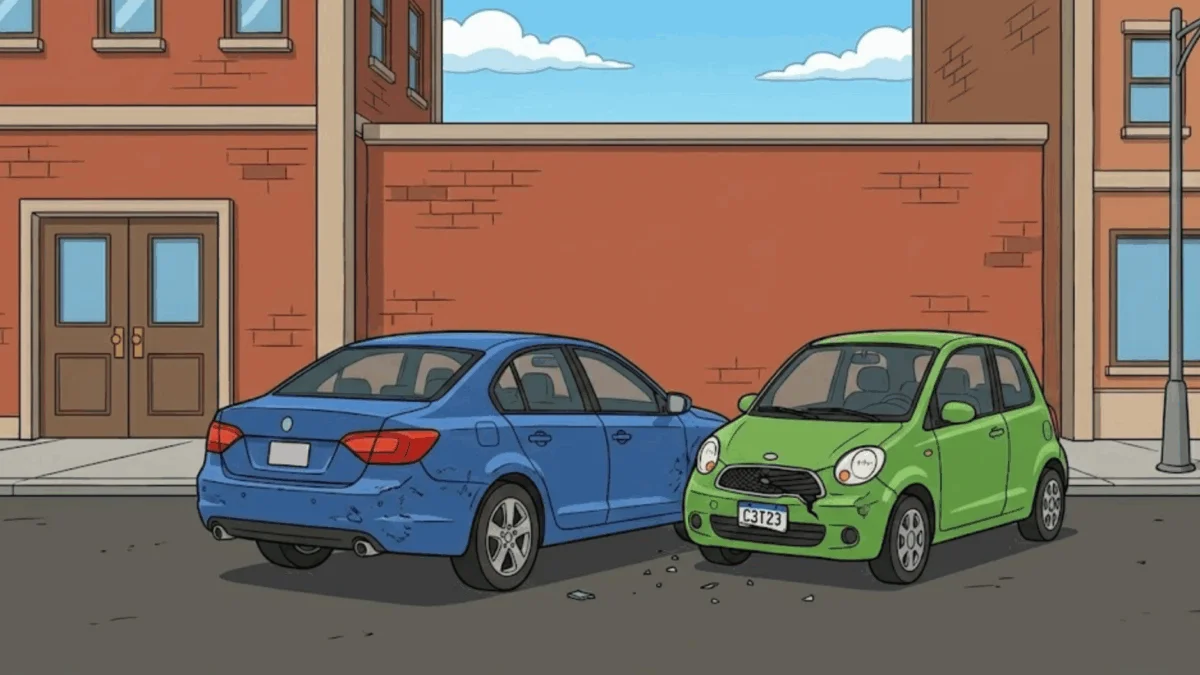
If you need help, learn more about our Car Accident.
Not All Serious Injuries Are Treated the Same in Law!
You may have heard the term catastrophic injury and wondered how it’s different from other serious personal injuries.
If you or someone you care about is recovering from an accident, these labels aren’t just words - they can affect the compensation you receive, the benefits you qualify for, and the legal strategy your attorney will use.
Think of it like this:
- Two people can both be seriously hurt.
- One will eventually heal and return to their normal routines.
- The other faces permanent changes to the way they live, work, and care for themselves.
The law treats these situations differently. And understanding where your injury falls on the spectrum between serious personal injury and catastrophic personal injury can make the difference in how your case is handled from day one.
This guide will break down the differences in plain language so you know exactly what “catastrophic” means in legal terms - and why it matters for your future.
Key Differences at a Glance
Here’s a quick comparison between catastrophic injury and personal injury before we go deeper into the listicle:
| Factor | Catastrophic Injury | Other Serious Personal Injury |
|---|---|---|
| Severity | Permanent, life‑altering harm; often prevents return to former lifestyle or work. | Significant harm but recovery is possible over time and may allow return to normal life. |
| Duration of Impact | Lifelong medical needs and permanent disability. | Temporary or long‑term recovery with improvement over months or years. |
| Medical Treatment | Multiple surgeries, rehab, ongoing care, adaptive equipment for life. | Defined treatment period with eventual end to medical care. |
| Legal Classification | Recognized in some state statutes; triggers special benefits (e.g., lifetime workers’ comp). | No special statutory category in most jurisdictions. |
| Damages & Compensation | Higher settlements or verdicts to cover decades of lost income, care, and pain. | Compensation focuses on actual expenses and pain during recovery. |
| Evidence Requirements | Must prove permanence, prognosis, and future economic loss; often requires expert testimony. | Prove injury occurred and caused harm; lower emphasis on lifetime projections. |
| Litigation Strategy | Involves life‑care planners, economists, and multiple specialists to substantiate claim value. | May involve fewer experts and shorter litigation timelines. |
Free consultation
Injured in a car accident?
Get the compensation you deserve. Free case evaluation.
Difference #1: Nature and Severity of the Injury
Catastrophic Injury: These are permanent or life‑altering injuries that change the way you live forever. They affect core physical or cognitive functions - such as mobility, memory, or independence - and generally have no realistic full recovery. Common examples include traumatic brain injuries, spinal cord damage that causes paralysis, amputation, severe burns, or permanent loss of sight or hearing.
Other Serious Personal Injury: These injuries can still be major - broken bones, concussions, deep lacerations - but most allow for significant improvement or full recovery over time. While they may temporarily disrupt work and daily life, rehabilitation often brings you back to close to pre‑injury function.
Why This Matters in Law
The difference in severity is not just medical - it’s legal.
- Catastrophic injury is often defined in state statutes or workers’ compensation laws to trigger special benefits such as lifetime medical care or wage replacement.
- Personal injury is a broader term in tort law, covering everything from minor harm to non‑permanent serious injuries. It doesn’t automatically give access to the enhanced protections that catastrophic injury cases can provide.
For example:
- In Georgia workers’ compensation law, an injury like paralysis or severe brain trauma is considered “catastrophic” and leads to lifetime benefits.
- In states without a specific statutory definition, lawyers must prove the injury’s permanence and impact to secure higher compensation.
Practical Tips if You’re Unsure Which Category Applies
- Get a clear medical prognosis from a specialist - permanence must be well‑documented.
- Track daily limitations - detailed notes on how your injury affects mobility, memory, or independence will help prove catastrophic status.
- Seek legal advice early - an attorney can determine if your case meets your state’s definition of a catastrophic injury.
- Don’t rely on insurance company labels - insurers may classify serious injuries as “non‑catastrophic” to lower payouts.
Difference #2 - Impact on Daily Life
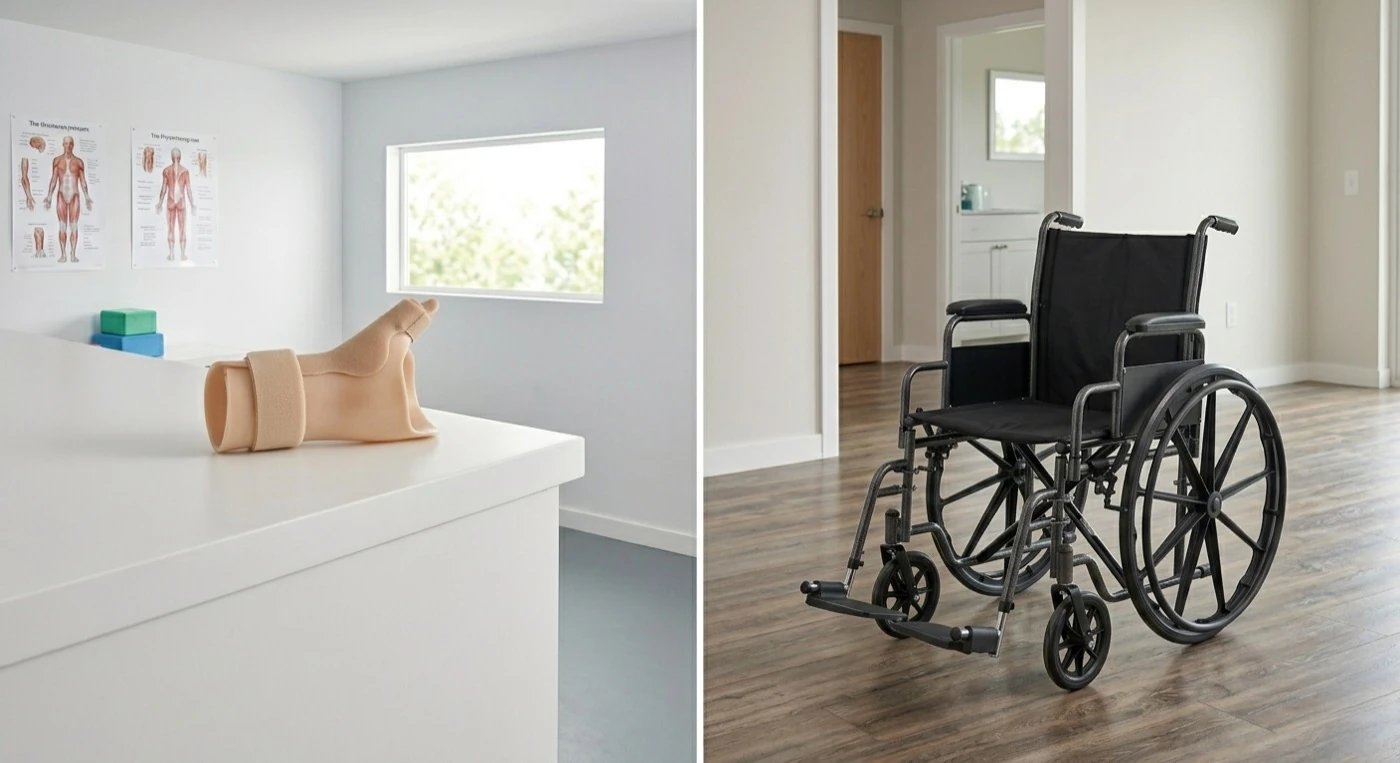
Catastrophic Injury: Often results in a loss of independence - needing full‑time care, mobility aids, home modifications, or lifelong assistance with daily activities. Many victims can no longer work or must change careers entirely.
Other Serious Personal Injury: May temporarily limit activities - such as driving, working certain jobs, or doing physical hobbies - but these restrictions often ease with recovery and rehabilitation. Learn more about driving safety during COVID-19.
Legal Points
Courts and insurance adjusters weigh daily life disruptions heavily in catastrophic injury claims.
- Permanence of limitations strengthens the case for long‑term compensation.
- Ongoing care costs (e.g., home nursing, occupational therapy) can be factored into settlement calculations.
In workers’ compensation cases, catastrophic injuries often mean vocational rehabilitation benefits, while personal injuries typically result in temporary disability payments.
Practical Tips
- Document how your injury affects routine self‑care and household activities.
- Ask your doctor for a functional capacity evaluation to formally measure limitations.
- Keep receipts and records for home modifications and assistive devices.
Key Takeaway
If your injury prevents you from living independently or performing basic activities without help, it may fall into the catastrophic category - opening the door to more substantial, long‑term benefits.
Difference #3 - Duration and Cost of Medical Treatment
Catastrophic Injury: Treatment is often lifelong - including surgeries, ongoing rehabilitation, adaptive equipment, and chronic care management. Costs can reach hundreds of thousands or even millions over decades.
Other Serious Personal Injury: While medical bills can still be significant, treatment usually has a clear end point once healing and rehab are complete.
Legal Points
Proving the expected lifetime cost of care is critical in catastrophic injury claims. Expert witnesses such as life‑care planners and medical economists are often involved to project future expenses.
Practical Tips
- Save all medical bills and insurance statements.
- Request written treatment plans that include long‑term needs.
- Have experts estimate the lifetime costs for inclusion in your case.
Key Takeaway
Long‑term or lifetime medical needs move a case firmly into catastrophic territory - influencing compensation size and claim strategy.
Difference #4 - Legal Classification and Statutory Definitions
Catastrophic Injury: Often specifically defined in state law (e.g., Georgia, Florida) as severe injuries that prevent meaningful work and require ongoing care. This classification gives access to enhanced benefits.
Other Serious Personal Injury: No special statutory recognition in most states. Compensation is based on negligence law without extra benefits.
Legal Points
Statutory recognition simplifies proving catastrophic injury, while in non‑defined states you must rely on medical evidence and expert testimony. Learn more about our $325,000 verdict in Sayed v. Helmbright.
Practical Tips
- Check your state’s workers’ compensation and personal injury statutes.
- Have a lawyer confirm whether your injury meets the statutory definition.
Key Takeaway
Statutory classification can streamline your path to lifetime benefits or higher damages - but you need to know if your state has one.
Difference #5 - Insurance and Compensation Rules
Catastrophic Injury: Higher claim values, lifetime benefits under certain programs, and coverage for future medical needs.
Other Serious Personal Injury: Compensation focuses on current medical costs, lost wages during recovery, and temporary damages.
Legal Points
Insurers often challenge catastrophic classifications to limit payouts. Settlements require detailed projections of future costs.
Practical Tips
- Don’t accept the first offer from an insurer without legal review.
- Be ready to present detailed medical and economic evidence.
Key Takeaway
Catastrophic classification dramatically increases claim value and coverage - but proving it is essential.
Difference #6 - Evidence Requirements
Catastrophic Injury requires proof of permanence, prognosis, and future economic loss, often using multiple expert witnesses. While other serious personal injury focuses mainly on proving the injury occurred and caused immediate harm.
Legal Points
Catastrophic injury cases often involve vocational experts, economists, and life‑care planners - adding complexity and cost but also strengthening the claim.
Practical Tips
- Get multiple medical opinions.
- Use video or photographic evidence to document daily limitations.
Key Takeaway
The more expert evidence and forward‑looking proof you have, the stronger your catastrophic injury claim will be.
Difference #7 - Litigation Strategy
- Catastrophic Injury: These cases aren’t just bigger versions of standard personal injury lawsuits - they require a fully customized legal approach. Because the stakes often involve millions of dollars in future care, lost wages, and lifestyle changes, catastrophic injury claims demand more planning, more expert testimony, and more aggressive negotiation tactics. Common strategic elements include:
- Retaining life‑care planners to map the cost of care decades into the future.
- Hiring medical specialists to verify the permanence of injuries.
- Using economists and vocational experts to quantify lost earning capacity over a lifetime.
- Preparing for a longer trial timeline due to complex evidence.
- Other Serious Personal Injury: While still requiring skill, most non‑catastrophic cases have fewer experts, shorter timelines, and more straightforward settlements because the damages are easier to calculate.
Legal Points
In catastrophic injury litigation, every fact must build the case for permanence - not just fault. The opposing side will often try to downplay severity; strong expert reports and early trial preparation are key to countering this.
Practical Tips
- Hire an attorney with proven catastrophic injury trial experience - high‑stakes discovery and negotiation are very different from basic PI work.
- Demand a litigation plan early - get a clear timeline and strategy from your lawyer so you aren’t left wondering what’s next.
- Be prepared for complexity - expect multiple depositions, extensive medical documentation, and longer proceedings.
Key Takeaway
Catastrophic claims need layered strategies and the patience to follow them through - without this, the full impact of your injury may never show in the courtroom or settlement table.
Difference #8 - When a Serious Injury Becomes Catastrophic
Not every catastrophic case starts that way. Some injuries worsen over time due to complications, misdiagnosis, or inadequate treatment.
Examples include:
- A fracture leading to chronic nerve pain and mobility loss.
- Post‑surgical infections requiring amputation.
- Internal injuries causing long‑term organ damage.
Legal Points
When an injury crosses into catastrophic territory after the initial claim:
- Your case may need to be reopened or amended.
- Statutes of limitation and procedural rules vary - in workers’ comp, worsening injuries may trigger additional benefit rights.
- In personal injury litigation, new expert testimony is required to prove the changed prognosis.
Practical Tips
- Keep ongoing medical records - updated documentation is essential for reclassification.
- Notify your attorney immediately if your diagnosis changes or worsens.
- Get specialist opinions to confirm permanence when symptoms escalate.
Key Takeaway
Injury progression can transform a standard personal injury case into a catastrophic one - acting quickly when this happens is critical to preserving your rights and maximising compensation.
Difference #9 - Psychological Trauma
While catastrophic injury definitions often focus on physical harm, the psychological toll can be equally life‑altering.
- Catastrophic Injury: PTSD, depression, anxiety, or cognitive decline linked to severe physical injury is often recognized in damages - especially when supported by psychiatric evaluation.
- Other Serious Personal Injury: Mental health claims are possible but harder to prove, especially if the physical harm is temporary.
Legal Points
Some states allow emotional injuries to be classified as catastrophic when combined with a qualifying physical injury, giving access to the same compensation levels.
Proof requires:
- Medical documentation from psychiatrists/psychologists.
- Evidence that trauma directly limits daily functioning and work capability.
Practical Tips
- Don’t ignore mental health symptoms - seek evaluation early.
- Track emotional changes alongside physical limitations in your injury journal.
- Ask your legal team to include mental health damages in your claim.
Key Takeaway
For many victims, catastrophic injury means physical and psychological loss. Recognizing and proving the mental health impact can add substantial value to a claim and better reflect the full scope of your suffering.
Difference #10 - Long‑Term Financial Impact
- Catastrophic Injury: These cases often involve decades of lost earnings, permanent inability to return to prior work, and lifelong expenses for care, equipment, and housing adaptations. Even lifestyle opportunities - travel, hobbies, social engagement - may require financial support.
- Other Serious Personal Injury: Financial strain can still be significant, but most victims eventually return to work or regain earning capacity, closing the compensation window sooner.
Legal Points
In catastrophic claims, economic damages are a major driver of case value:
- Lifetime wage replacement
- Loss of benefits (pensions, health insurance)
- Costs of in‑home or facility care
- Special transportation and home modification expenses
These must be calculated and proven before trial or settlement.
Practical Tips
- Have economists project lifetime earning loss including benefits, bonuses, and inflation.
- Calculate care costs conservatively - overestimating needs can hurt credibility, underestimating can cost you decades of support.
- Consider structured settlements to secure financial stability over time.
Key Takeaway
The long‑term financial toll of catastrophic injury goes far beyond initial bills - securing accurate projections ensures your settlement truly sustains you for life.
Why Proper Classification Could Change Your Case
Two injuries can look similar in the moment - but in the legal world, the distinction between serious personal injury and catastrophic injury is the difference between a short‑term recovery plan and a lifetime of legal protection, care funding, and financial security.
If your injury is classified as catastrophic, the law can open doors to:
- Lifetime benefits under workers’ compensation systems.
- Higher settlements or verdicts to cover decades of care and lost income.
- Legal safeguards against insurance companies seeking to limit your claim.
If it’s treated as a standard personal injury despite permanent consequences, you could lose access to the resources you and your family will need for years to come.
Bennett Legal: Making Sure Your Case Reflects Your Reality
At Bennett Legal, we don’t just take your medical records at face value - we build the full picture of your injury’s impact.
We know that catastrophic injuries are more than a diagnosis - they reshape careers, relationships, independence, and dignity.
We work to:
- Confirm catastrophic status under your state’s laws and fight to prove it in court when challenged.
- Use expert testimony from life‑care planners, economists, medical specialists, and vocational experts to quantify your lifetime needs.
- Challenge lowball insurance offers and uncover every source of potential compensation.
- Craft litigation strategies tailored for complex, high‑stakes cases - because catastrophic injury claims require more than standard PI strategies.
Our attorneys have fought these battles in Texas, New Jersey, California, and beyond - securing settlements and verdicts designed not just to cover present bills, but to fund the care, adaptations, and opportunities victims deserve for the rest of their lives.
You’ve carried the burden of the injury.
Let us carry the fight to make sure your future is protected.
📞 Contact Bennett Legal today for a free case evaluation.
Because when the injury changes everything, you need a legal strategy that changes the outcome.
This article is for informational purposes only, is not legal advice.
Related Reading
Free consultation
Injured in a car accident?
Get the compensation you deserve. Free case evaluation.