If you need help, learn more about our Solar Panel Financing Fraud.
$170,000+ recovery
Against Sunlight Financial · Solar fraud arbitration
- $113,000 loan cancelled
- UCC lien removed
- Credit repaired
- $58,000 cash to client
Past results do not guarantee a similar outcome. Every case is different.
“My roof never had ice dam issues before. Now, after installing solar panels, I’m seeing thick ridges of ice at the roof’s edge - and water is backing up under the shingles. Could my solar panels really be to blame?”
You’re not the only one asking this.
Yes, it happens - and more often than most installers admit.
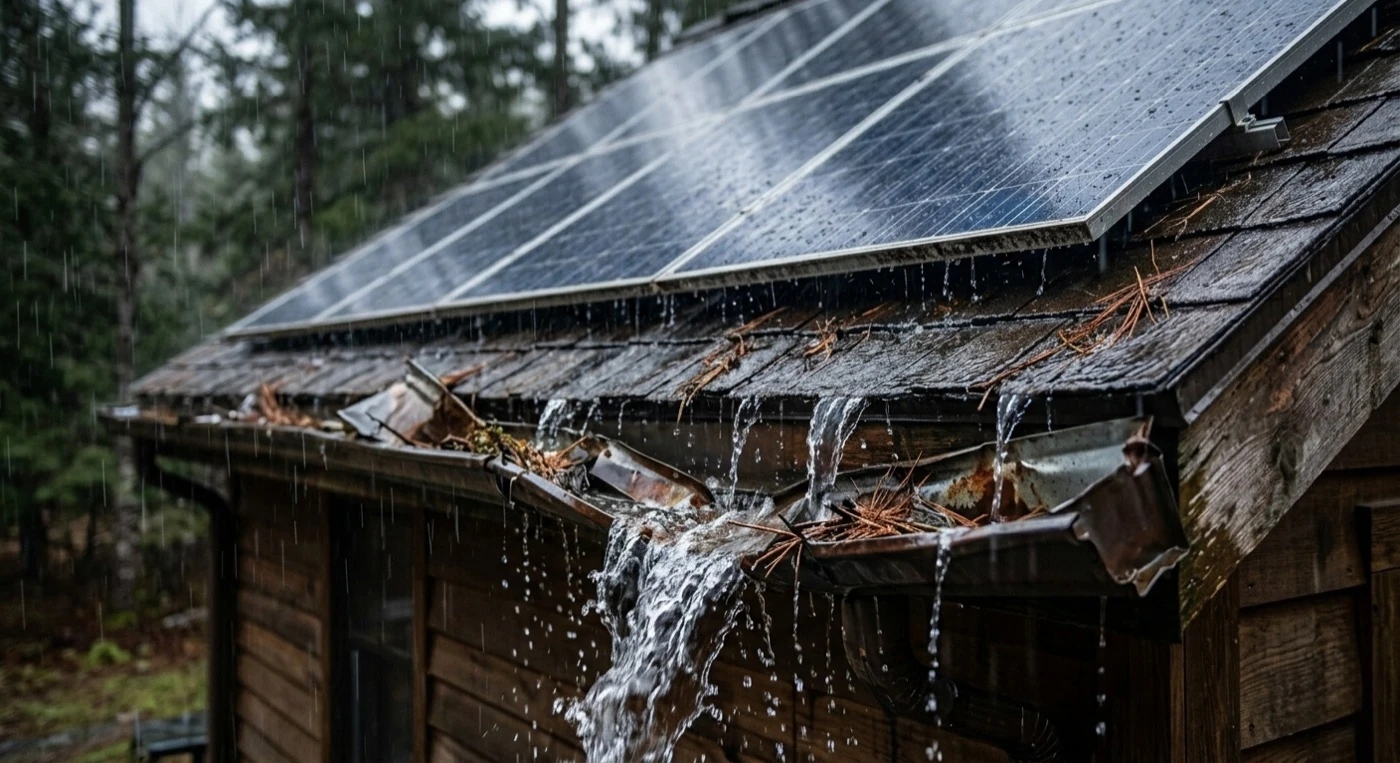
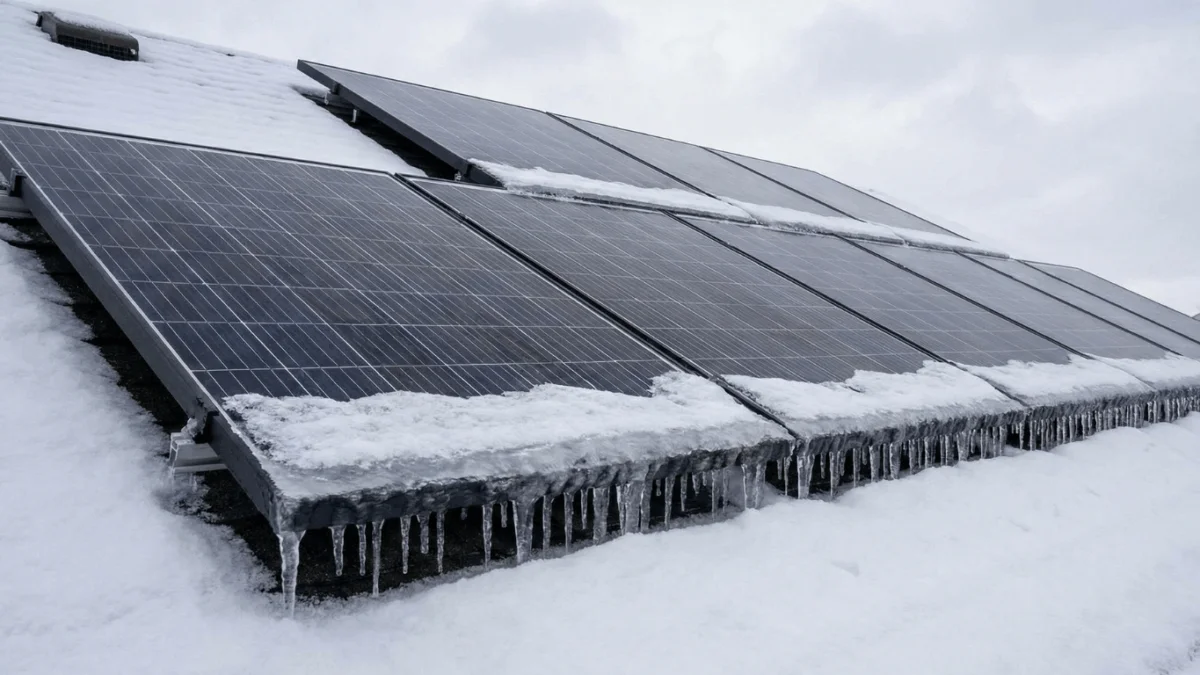
In snowy regions, homeowners are increasingly discovering that their brand-new solar panel setup has introduced a winter hazard they never planned for: ice dams. These frozen barriers along the roofline trap melting snow, forcing water to pool and seep into the roof deck, insulation, or even interior ceilings.
What’s going on?
Physics plays a big role - solar panels change how heat escapes from your roof, which can speed up melting in some zones while leaving others still frozen.
Improper installation angles, poor spacing between panels and shingles, or skipped winter-readiness steps can make the problem worse. And, in many cases, it’s not just bad luck - it’s avoidable with proper planning and contractor care.
Ice dams aren’t just inconvenient - they can lead to expensive repairs, voided warranties, and disputes with your installer if negligence was involved. Let’s walk through why this happens, how to spot red flags, and what you can do to protect both your roof and your legal rights before the next snowstorm hits.
The physics behind ice dams after solar installation
Ice dams result from heat transfer, meltwater flow, and refreezing cycles:
- Heat source under snow – Warm air from attic spaces or absorbed solar heat can melt snow beneath the solar panels.
- Water flow – Meltwater moves down the roof slope beneath or along the edges of panels.
- Refreezing – At colder overhangs (eaves), where roof surface temperature is below freezing, the meltwater solidifies into an ice ridge.
- Temperature differentials & shading – Solar panels create microclimates on the roof. Beneath panels, heat retention can be greater, while shaded roof sections stay colder, intensifying temperature gradients.
- Snow shedding effect – Sliding snow leaves behind packed snow and exposed patches, which melt and refreeze unevenly.
Free consultation
Solar panel contract problems?
We help homeowners fight back against solar fraud. Free consultation.
Ice Dams After Solar Installation: Is It Normal Or A Red Flag?
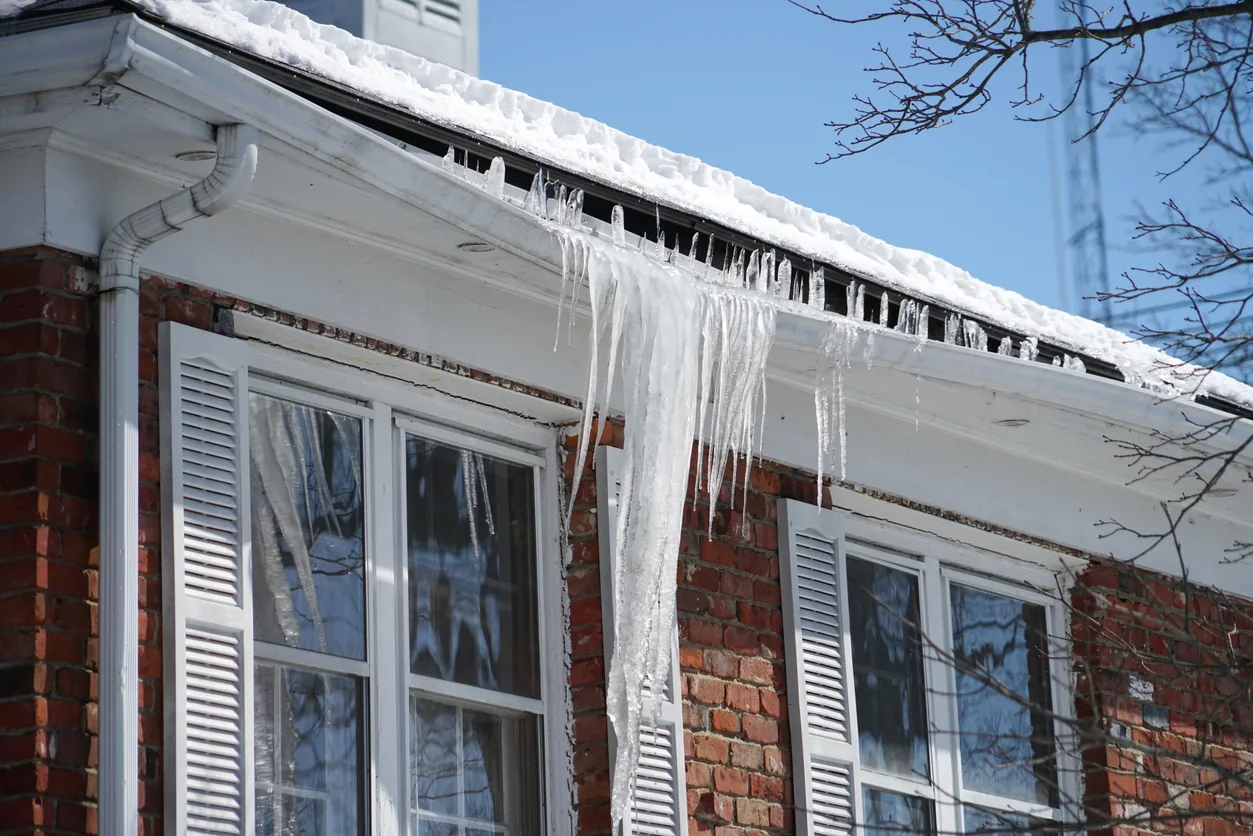
Ice dams form when snow on a roof melts and refreezes at the eaves, often due to uneven heat distribution. After installing solar panels, some increase in ice dam formation can be normal, especially in climates with freeze–thaw cycles. Panels can alter snow melt patterns by:
- Changing roof surface temperature where panels block sunlight in winter but encourage heat retention beneath them.
- Creating “channels” where melted snow flows and refreezes at colder edges.
- Making snow shed unevenly, leaving ridges that contribute to refreezing.
These cases may indicate poor roof insulation, inadequate attic ventilation, or faulty solar panel installation affecting roof heat flow.
Legitimate Explanations for Ice Dams After Solar Installation
Before jumping to conclusions, it’s worth knowing that some ice dam formation is common in snowy regions, even without negligence from your installer. Solar panels change how your roof interacts with heat, sunlight, and snow.
Freeze–Thaw Cycle in Snowy Climates
In climates with fluctuating temperatures near freezing, the sun or heat escaping from the home can partially melt roof snow. At night, that meltwater refreezes along colder eaves, creating ice ridges. Solar panels can slightly accelerate melt in areas that get more sun exposure, but this isn’t necessarily a sign of poor work.
Roof Design and Existing Insulation
Homes with complex rooflines, valleys, or inadequate attic insulation already have uneven heat loss. This can trigger ice dams even before panels are installed. Solar installation can make these pre-existing patterns more pronounced.
Snow Shedding Patterns
Panels often shed snow faster than shingles because of their smooth surface. Snow slides off in sheets, piling in certain areas on the roof edge where temperatures are lower - causing potential localized ice buildup.
Natural Shade and Weather Conditions
Prolonged cold snaps after heavy snow, combined with roof sections that sit in shade much of the day, can trap freezing meltwater at the roof edge. This can happen regardless of solar installation quality.
Red Flags That Your Ice Dams Could Be From Improper Solar Installation
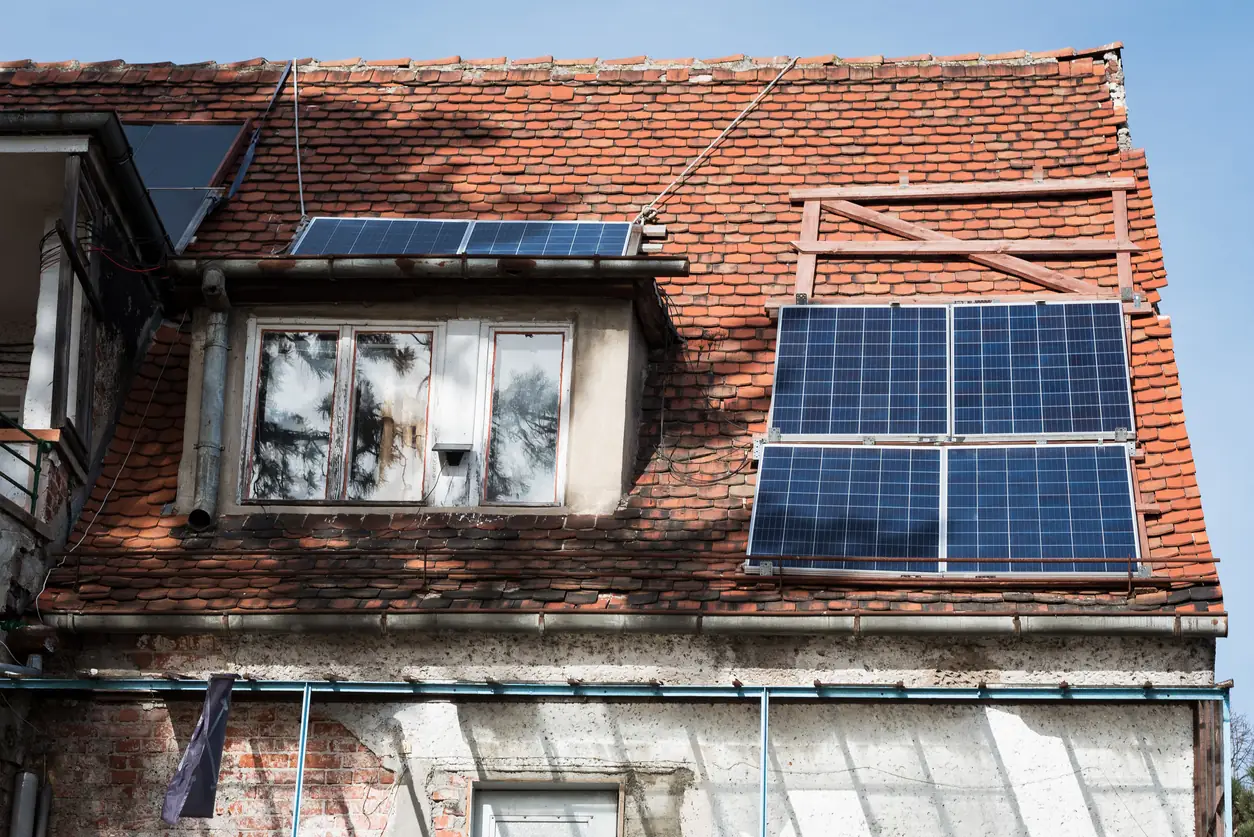
While some ice damming is seasonal and expected, certain signs can indicate poor installation practices or negligence from your contractor.
- Persistent, large ice ridges directly beneath panel installations - unusual patterns pointing to panels disrupting meltwater flow.
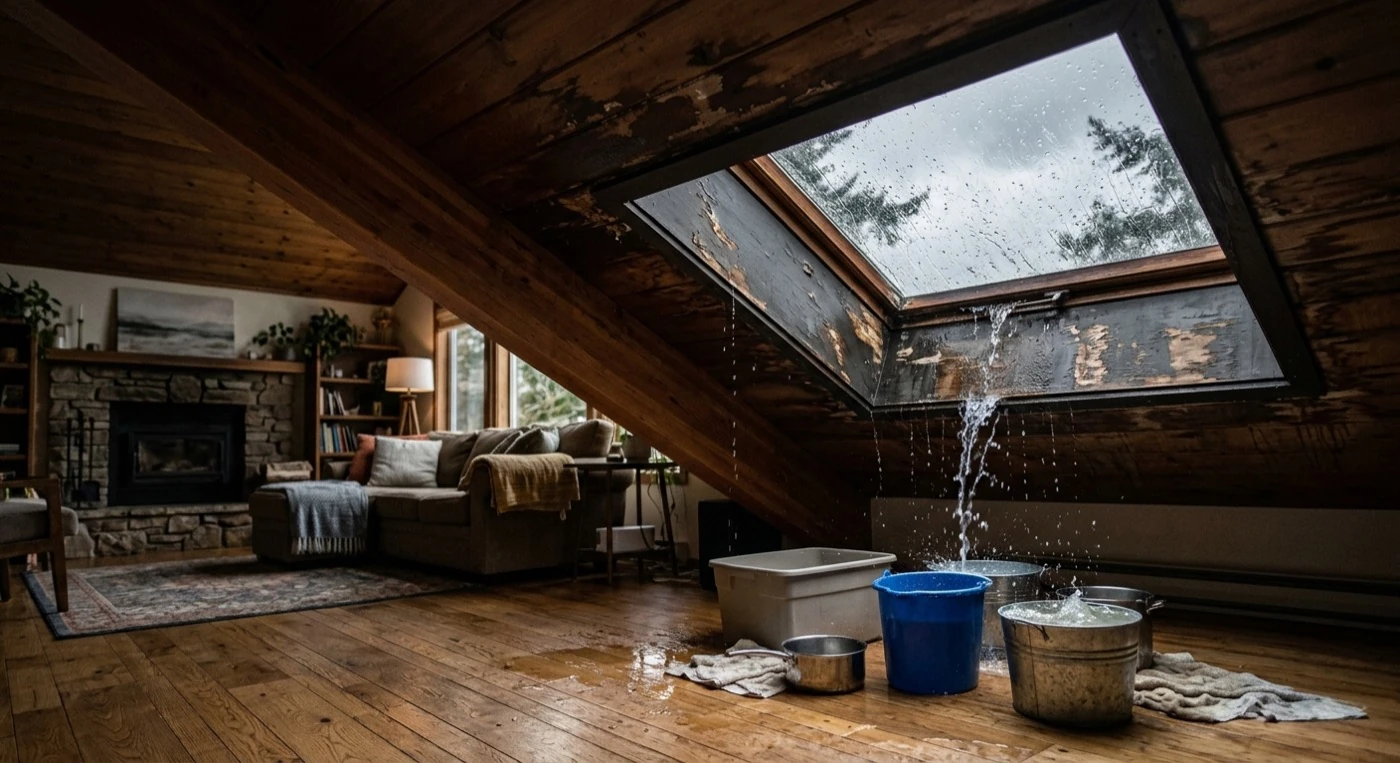
- Water leakage inside the home near panel mounts - suggests ice dams are forcing water under shingles where panels were anchored.
- Damaged shingles or flashing around panel mounts - poor sealing after installation can give ice dams a direct entry point.
- Ice dams forming only on sections under or near newly installed panels - localized, new problems that didn’t exist before.
- No attic ventilation improvements discussed before installation - installer skipped considering winter climate effects on roof heat distribution.
- Absence of post-install inspection in snow-prone areas - qualified contractors will check roof performance after installation to catch cold-weather issues.
Common Scams Linked to Ice Dam Problems After Solar Installation
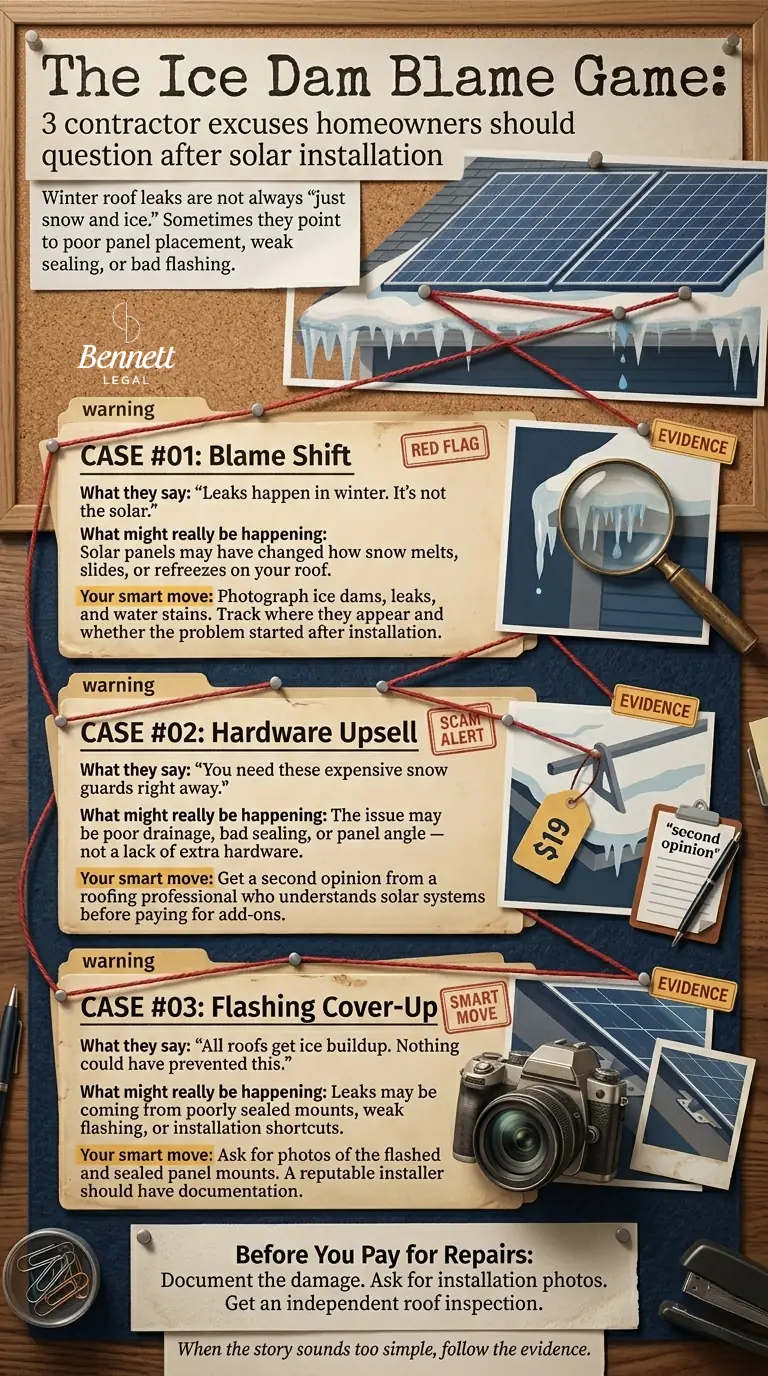
Unfortunately, some unethical solar companies and contractors exploit winter roof issues to upsell services or hide faulty work.
Scam 1: Winter Damage Blame Shift
Contractor blames “normal winter damage” for leaks or interior water stains, ignoring the possibility that improper panel placement caused meltwater issues.
How to Avoid: Document ice dam size, location, and timing after installation; compare with pre-install winter records.
Scam 2: Unnecessary Snow Guards
Installer claims large, expensive snow guards are the only fix - even when better sealing or adjusted tilt angles would resolve the issue.
How to Avoid: Get a second opinion from a roofing professional who understands solar integration before agreeing to add hardware.
Scam 3: Hidden Damage from Poor Sealant or Flashing
Contractor covers up inadequate flashing or sealant near panel mounts by attributing water leaks to “inevitable ice buildup.”
How to Avoid: Request and review installation photos of flashed and sealed mounts; reputable companies will have these on file.
Scam 4: Off-Season Panel Adjustment Fees
Installer charges high winter “service fees” to adjust panel angles you didn’t approve - claiming it will stop ice dam formation.
How to Avoid: Ask for adjustment documentation, proper installation standards, and confirm angle changes are actually necessary based on roof pitch and climate.
Legal Rights & Protections for Ice Dam Damage After Solar Installation
If your roof has started forming severe ice dams only after solar panels were installed - and especially if they have caused leaks or shingle damage - you may have legal grounds to hold your installer accountable. Learn more about solar panels improperly mounted on chimneys.
Contractual Rights
Most solar installation contracts carry an implied duty of reasonable care. That means the crew must avoid damaging existing structures and ensure the installation doesn’t leave your home vulnerable to foreseeable harm - which includes seasonal roof problems in snow-prone areas. Learn more about mold growth after solar panel installation.
Even if your contract doesn’t specifically mention “ice dams,” negligence during installation - like poor panel placement, skipped flashing checks, or bad sealant work - can still be considered a breach of contract if it impacts roof integrity.
Texas also gives homeowners a cooling-off period: five business days to cancel a covered residential solar contract signed on or after September 1, 2025, without penalty (Occupations Code § 1806.156), versus three business days for other home-solicited contracts (Bus. & Com. Code Ch. 601). This matters if you discover major risks or find that critical climate-related installation steps were skipped during the sales process.
Consumer Protection Laws
Federal:
- FTC Act (15 U.S.C. § 45) – prohibits unfair or deceptive practices. If a solar company misrepresented that winter performance would be unaffected, or failed to disclose risks of ice damming, this can trigger a federal claim.
- Magnuson–Moss Warranty Act – if the installation voids parts of your roofing warranty without disclosure, this law may apply.
State Examples:
- California: Contractors State License Board requires compliance with industry standards; will investigate claims tied to seasonal failures like ice dams due to poor workmanship.
- Texas: Deceptive Trade Practices Act allows recovery of damages (up to triple for proven fraud) if a company misrepresented winter suitability or left the roof compromised. Learn more about solar companies that disappear after installation.
- New Jersey: Consumer Fraud Act covers omissions of material facts - such as not telling homeowners about heightened ice dam risk from poor installation angles in snowy zones.
- Minnesota & Vermont: Specific cold-climate building code sections require roof work that does not impair drainage or ventilation - violations can be grounds for enforcement.
Exceptions & Variations by State
- Some states only enforce claims if you can prove the contractor explicitly promised remedy or prevention of seasonal damage.
- Others, especially in cold-climate states, have building codes that create automatic liability if installation worsens snow or ice accumulation patterns.
Action Steps if You Suspect Fraud or Negligence
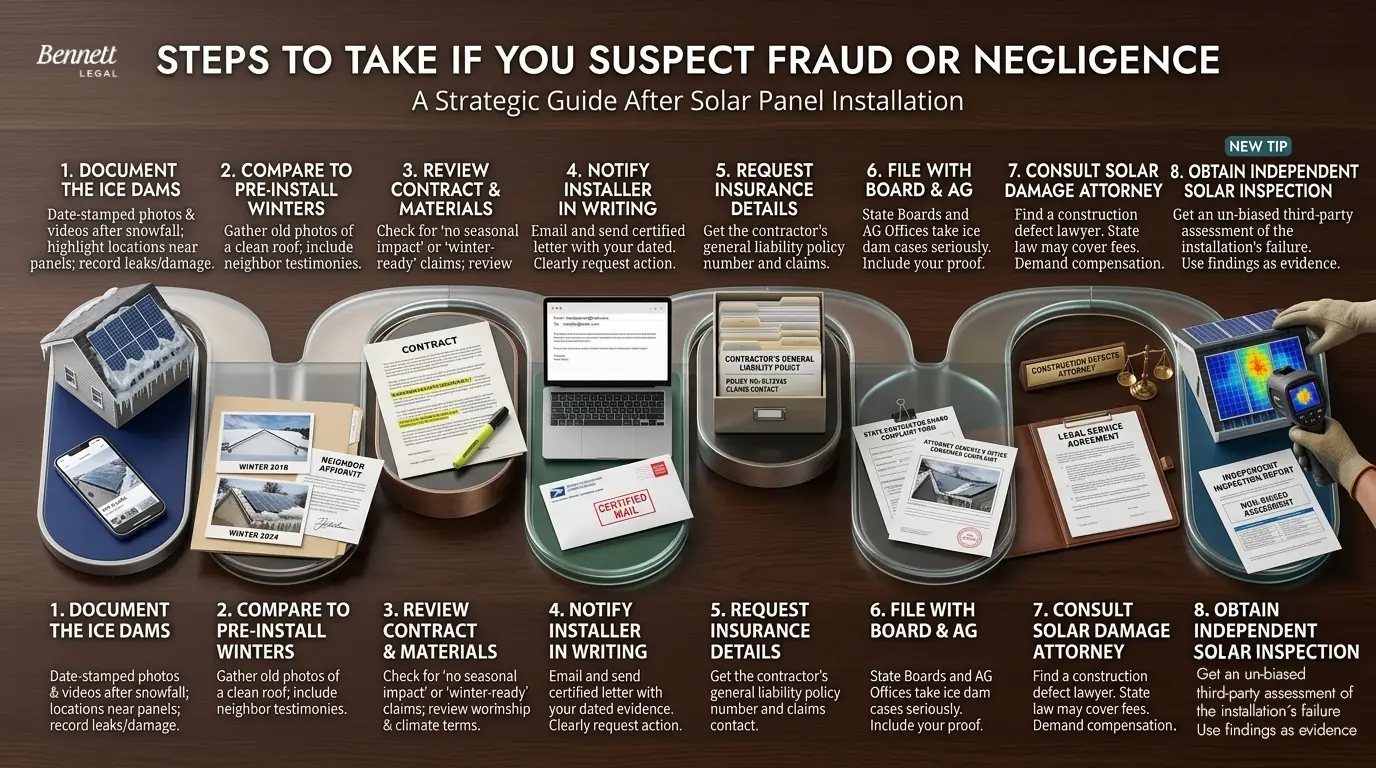
If you believe your installer caused or worsened ice dams, here’s how to strengthen your case and protect your property:
1. Document the Ice Dams
- Take clear, date-stamped photos and videos after snowfall, highlighting their location relative to solar panels.
- Record any interior leaks, ceiling stains, or shingle damage linked to the ice buildup.
2. Compare to Pre-Install Winters
- Gather old winter photos showing your roof without significant ice dams.
- Include testimonies or affidavits from neighbors if possible.
3. Review Your Contract & Marketing Materials
- Note any claims about “no seasonal impact” or “winter-ready installation.”
- Highlight terms on workmanship, roof integrity, and climate suitability.
4. Notify the Installer in Writing
- Email and send a certified letter with your dated evidence.
- Clearly request repair, reimbursement, or specific corrective actions.
5. Request Insurance Details
- Ask for the contractor’s general liability policy number and claims contact.
6. File with State Contractor Board & AG’s Office
- Cold-climate states often take ice dam cases seriously; include your photographic proof when filing.
7. Consult a Solar Installation Damage Attorney
- Lawyers experienced in construction defects can demand compensation and ensure compliance with consumer protection laws.
- In states that award attorney’s fees, you may not pay upfront if your claim is strong.
When Winter Roof Problems Cross Into Contractor Liability
Most homeowners in snow regions expect some winter ice - what they don’t expect is to see severe ice dams and leaks appear only after installing solar panels. In case after case we’ve handled, the same negligence appears: panels mounted too close to roof edges, skipped flashing inspections, and no plan for safe snow shedding in cold climates.
At Bennett Legal, we make sure that’s not shrugged off as “seasonal wear.” Our team helps homeowners:
- Gather climatic and photographic evidence linking ice dam damage to poor installation practices.
- Review contracts and sales promises for misrepresentation on winter performance.
- Demand full roof repairs or reimbursement under state contractor law and cold-climate building codes.
- Recover additional damages for secondary loss - including interior water damage from ice dam leaks.
Solar companies promote “year-round energy savings” - but in cold regions, winter-ready installation isn’t optional, it’s part of the professional standard. If their shortcuts let ice back up under your shingles, that’s not Mother Nature - it’s installer liability.
Don’t let the next freeze cost you thousands more. Call Bennett Legal today for a free ice dam damage case review. We’ll prove your winter roof problem isn’t just “part of owning a home in snow country” - it’s an avoidable, billable mistake your contractor must fix.
Related Reading
Free consultation
Solar panel contract problems?
We help homeowners fight back against solar fraud. Free consultation.