If you need help, learn more about our Solar Panel Financing Fraud.
$170,000+ recovery
Against Sunlight Financial · Solar fraud arbitration
- $113,000 loan cancelled
- UCC lien removed
- Credit repaired
- $58,000 cash to client
Past results do not guarantee a similar outcome. Every case is different.
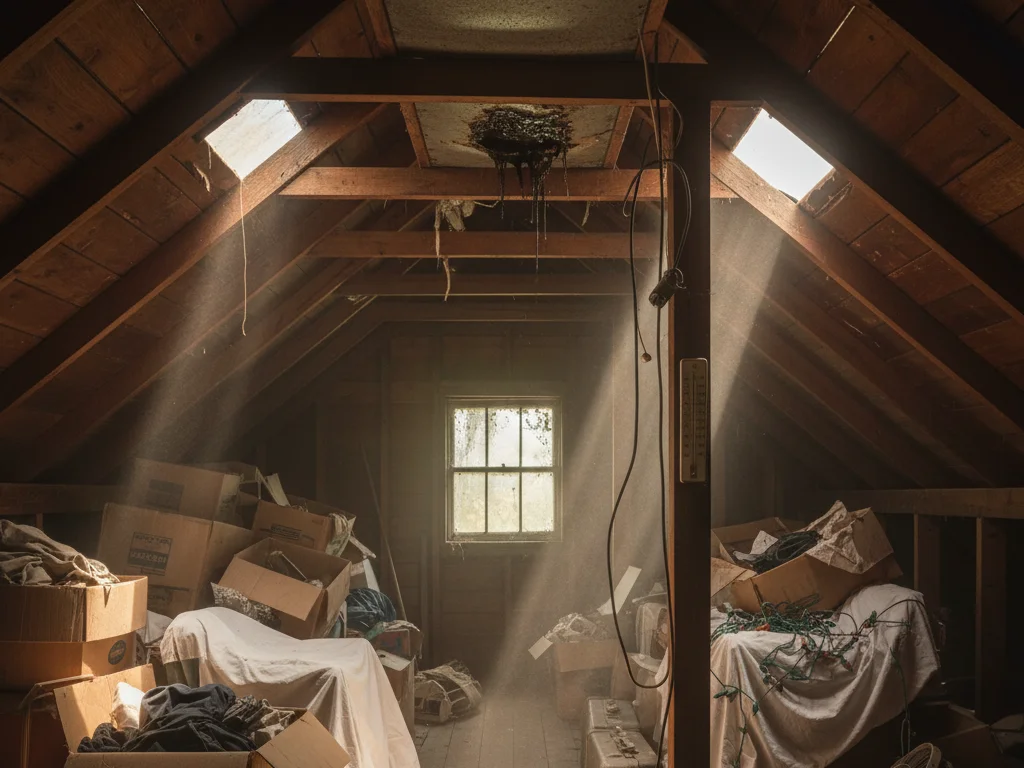
But now every time you open your attic door, you’re hit with a wall of blistering air. It’s like walking into an oven.
You installed solar panels expecting cool savings and energy efficiency. You put down thousands (sometimes tens of thousands) for solar - expecting all the benefits you were promised.
You ask yourself: “Wasn’t this supposed to reduce heat, not trap it?” “Is this normal, or did someone cut corners and leave me with a ticking time bomb?”
Yes, solar panel installation can change your attic temperature - and sometimes that change is harmless.
Other times?
It’s the flashing red warning light of poor workmanship, blocked ventilation, or a violation of your homeowner rights(and your savings).
“Could This Just Be Normal?”
Real, non-dangerous reasons for a warmer attic post-install:
- Seasonal solar gain: If panels went in during summer, the change you feel could be amplified by peak sunlight and weather patterns.
- Added roof layer effect: Panels alter how your roof absorbs and sheds heat. In certain climates, they can trap radiant heat between panel and roof - in small amounts this is normal.
- Dark roof shingles/tiles: Darker colors under panels retain more heat after shading patterns change.
- Roof pitch & gap height: Panels installed slightly low still allow some airflow - but change wind movement over vents.
Quick self-check tip: Buy a $20 digital temp/humidity reader and log attic readings at the same time each day and monitor the situation. If attic temps are just 5–7°F higher at the hottest part of the day and your HVAC bills haven’t changed much, you may be fine.
🚨 But if you see a 10–20°F jump, AC running longer than before, and humidity creeping in - this isn’t “seasonal,” this is a red flag.
“When Should I Worry?” - Red Flags You Can’t Ignore
These are classic homeowner tripwires installers hope you overlook:
- Panel placement blocking ridge or soffit vents: You likely never walk your roof post-install to see if vents are blocked - but blocked vents suffocate attic airflow instantly.
- No clearance gap between panels and roof: NEC and many manufacturer guidelines require an airflow gap. Flush-mount panels trap heat and increase moisture risk.
- Installer skipped post-install attic inspection: If they avoid showing you inside after work - they probably don’t want you to see blocked or damaged vents.
- Permits not properly closed out: If your permit history shows “open” or “failed inspection,” your attic may have been left in violation of code, which can void insurance claims later.
Is My Hot Attic a Disaster Waiting to Happen?
Unfortunately, yes.
Ignoring attic heat can lead to:
- Roof deck warping
- Insulation settling and losing R-value
- Mold/condensation damage in less than one season
- Cooling bills higher than before you “went solar”
And here’s the kicker: the same installer who messed up will NOT volunteer to fix this unless you have proof and assert your rights.
“Could This Be a Sign of a Bigger Problem… or Even a Scam?”
Bad installers exploit exactly what most homeowners don’t know to check:
- Blocking Passive Ventilation: Ridge vents, soffit vents, and gable vents work together to cycle heat out - one blocked piece collapses the whole system.
- Shifting Existing Roof Features: Removing or relocating vents without proper alternatives is not just lazy - it’s often illegal under building code.
- No Moisture Barrier Adjustments: Raising roof heat without adjusting vapor barriers can lead to mold in insulation.
- Hidden contract language that waives ventilation responsibility: Buried in fine print: “Installer not responsible for attic airflow adjustments.” Unchecked, this kills warranty claims.
🛡️ Holy moly homeowner save: Go back to your signed contract right now and look for any clause that says “Homeowner responsible for…” in the installation section. If ventilation is listed, they may try to dodge repairs. That clause can often be challenged in states with strong consumer protection statutes. Learn more about solar contracts that outlive the homeowner.
Can You Stop This From Happening in the First Place?
Absolutely - here’s the preventive playbook. Before signing anything, do these 5 things:
- Walk the roof with the installer pre-contract and highlight every vent position.
- Write “Ventilation to remain unobstructed” into your contract - never assume it’s implied.
- Insist on permit and inspection copies before final payment.
- Ask about vapor barrier adjustments if attic heat changes even slightly.
- Get panel clearance in inches on signed diagrams - this stops flush-mount surprise installs.
Panel Clearance Requirements (Top Manufacturers)
| Manufacturer | Minimum Clearance from Roof | Reason |
| SunPower | 6 inches | Ensures panel cooling + attic ventilation |
| LG Solar | 4 inches | Prevents trapped heat under panels |
| Canadian Solar | 5 inches | Allows airflow, reduces moisture risk |
| Q CELLS | 3 inches | Meets NEC airflow cooling requirement |
| REC Group | 5 inches | Maintains manufacturer’s thermal warranty |
💡 Tip: If your installer’s design shows less clearance than listed for your panel brand - that’s a warranty-killer and immediate negotiation leverage.
Okay, My Installer Botched It. What are my Rights?
You are not powerless - even if your installer points to the fine print.
Key leverage points:
- Code compliance: IRC R806 ventilation requirements apply in nearly every jurisdiction. Violations can force repairs even without a lawsuit.
- Workmanship warranties: If panels cause damage due to blocked vents, most workmanship warranties require free correction.
- Implied warranty of habitability: If attic heat causes unsafe conditions or mold, it breaches your right to a habitable dwelling in many states.
- Consumer protection laws: Misrepresentation (“this won’t affect attic temp”) is actionable under most state deceptive trade acts.
State-by-State Attic Ventilation Codes & Homeowner Leverage
| State | Code Citation | Key Ventilation Rule | Enforcement Body |
| California | California Building Standards Code, Title 24 §1203 | Must maintain min 1/150 attic ventilation ratio; vents cannot be obstructed | Contractors State License Board + Local Building Dept |
| Texas | IRC R806 via Texas Building Code | Ridge/soffit vent clearance required; 1/150 ratio unless vapor barrier provided | Municipal Code Enforcement |
| Florida | Florida Building Code R806 | Open-air attic vents must remain unobstructed; alternative mechanical venting allowed if documented | Local Building Inspector |
| New Jersey | IRC R806 (adopted statewide) | Balanced intake/exhaust; obstruction considered code violation | State Dept. of Community Affairs |
| Arizona | IRC R806 with energy amendments | Must maintain design airflow; solar mounts must not impair ventilation | City/County Building Safety Dept |
🔍 Homeowner move: If your vents are blocked, quote the code verbatim in your complaint letter - officials respond faster when you cite chapter and section.
Free consultation
Solar panel contract problems?
We help homeowners fight back against solar fraud. Free consultation.
You Are Not Alone - And You Don’t Have to Live with a Broken Roof
Discovering that your attic feels like an oven after a solar panel installation isn’t just uncomfortable - it’s a clear warning sign.
Blocked ridge or soffit vents, flush-mounted panels without clearance, and ignored ventilation codes can drive attic temperatures dangerously high. This leads to mold infestations, warped roof decks, and cooling bills that climb faster than the summer sun. Learn more about gutters damaged after solar installation.
Worse, some installers bury liability-shifting clauses deep in the fine print, hoping you’ll never notice until damage is too extensive to ignore. That’s how homeowners end up trapped - stuck with a system that’s actively harming the home it was meant to improve. Learn more about solar panels improperly mounted on chimneys.
You are not powerless. At Bennett Legal, we stand shoulder-to-shoulder with homeowners whose installers cut corners and think they’ll get away with it.
We know the state-by-state building codes, the manufacturer clearance requirements, and the consumer protection laws that force solar contractors to fix dangerous heat traps and unsafe work.
Here’s how we fight for you:
- We document violations. If vents are blocked, panels mounted too low, or attic airflow restricted, we compile evidence needed to force compliance.
- We enforce warranties and codes. From workmanship guarantees to IRC R806 attic ventilation requirements, we hold installers to every law and contract.
- We challenge deceptive clauses. Clauses shifting maintenance responsibility onto homeowners can often be voided under strong consumer fraud statutes.
- We protect your home. Whether it’s stopping mold before it spreads, removing fraudulent liens, or recovering repair costs, we make sure your property and finances stay safe.
A solar upgrade should lower your bills - not cook your attic, weaken your roof, or endanger your family’s comfort. Bennett Legal is ready to review your installation, explain your rights, and take immediate action to restore safety, efficiency, and peace of mind.
📞 Contact Bennett Legal today to ensure the system on your roof is the one you paid for.
Don’t let hidden mistakes or deceptive contracts put your home at risk - we’ll fight to stop the damage, recover your losses, and hold your installer accountable.
Related Reading
Free consultation
Solar panel contract problems?
We help homeowners fight back against solar fraud. Free consultation.